
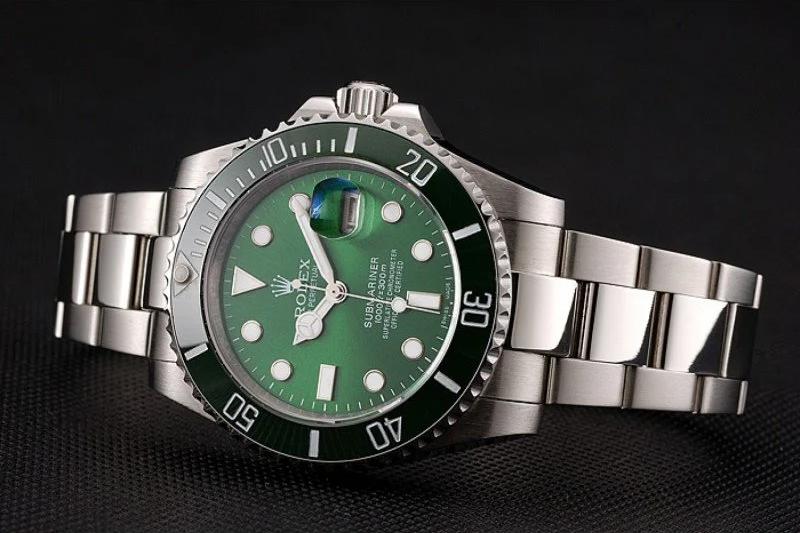
1. What Exactly Is a Super Clone Rolex?
A super clone Rolex is the best of the best when it comes to replica watches—way ahead of cheap counterfeits in craft and how closely it matches the real thing. Unlike low-end fakes that only rough in the basic look, super clones are 1:1 copies built with obsessive attention to materials, measurements, and how they work, aiming to be 98-99% identical to a genuine Rolex. They’re not mass-produced junk; they’re the product of top-tier reverse engineering and skilled hands, made for enthusiasts who want the look and feel of a Rolex without the sky-high price tag.
1.1 Do Super Clones Hold Their Value?
Short answer: No—super clones have no real resale or investment value. Unlike genuine Rolexes, which often hold or gain value thanks to limited supply, brand legacy, and global recognition, super clones are just consumables. Even high-end ones, which run $300 to $1800, lose value the second you buy them. They lack official authentication, traceable serial numbers, and a legitimate secondary market. They might still work well for daily wear, but they’ll never have the prestige or financial worth of a real Rolex—pieces you can pass down as heirlooms or sell at auction for top dollar.
1.2 Can You Tell a Super Clone from a Real Rolex?
To someone who doesn’t know watches well, or in casual settings, super clones are almost impossible to tell apart from real Rolexes. They match the original’s weight, look, and basic functions—details like 904L stainless steel cases, ceramic bezels, and sapphire crystals all mirror the genuine article. But under close inspection, especially by pros, small differences pop up. Things like slight inconsistencies in movement finishing, a bezel that turns a little looser than it should, or tiny flaws in dial printing and lume. Take the watch apart, and the gap widens: super clones use modified third-party movements, while real Rolexes have in-house calibers with COSC certification and proprietary parts like Parachrom hairsprings.
2. How Close Are Rolex Super Clones to the Real Thing?
Super clones get remarkably close to real Rolexes in how they look and feel. The best ones use the same 904L stainless steel as genuine Rolexes—not the 316L steel you’ll find in cheaper replicas—with ceramic bezels treated via vacuum plating to nail the original’s gradient and color depth. Sapphire crystals have anti-reflective coatings, and the lume matches the brightness and longevity of genuine Super-LumiNova. Functionally, they copy complications like chronographs, GMT functions, and date windows, with power reserves hitting around 70 hours—right on par with many real Rolex movements. For everyday wear, most enthusiasts, even casual watch lovers, won’t spot the difference.
2.1 What Is the Difference Between AAA Replica and Super Clone?
The difference between AAA replicas and super clones comes down to materials, movement quality, and precision—all the things that make a luxury watch feel premium. Material-wise, AAA replicas usually use 316L stainless steel, while super clones step up to 904L for better corrosion resistance and a richer shine. The movement is where it really counts: AAA replicas rely on basic Asian copies of ETA calibers (like the ETA 7750)—they’re thicker, only hold a charge for about 40 hours, and lack that Rolex-level finishing. Super clones use tuned movements like the Dandong 4130 or 3235, which copy the look and performance of Rolex’s in-house calibers much better, with power reserves up to 72 hours and a smoother sweeping second hand.
Precision and durability differ too: AAA replicas can be off by up to 13 grams compared to a real Rolex, while super clones keep that gap under 5 grams. Water resistance for AAA models is basic—fine for splashes, nothing more—while super clones can handle up to 50 meters. Finishing touches like bezel engraving, dial printing, and case chamfers are way more polished on super clones, with micron-level precision that closes the gap with genuine Rolexes.
3. Value and Investment: Key Questions for Collectors
Do Clone Rolex Watches Hold Their Value? Do Super Clone Rolexes Hold Any Value?
Neither regular clone Rolexes nor super clones hold any financial value on the secondary market. Regular clones are cheap, low-quality copies that fall apart fast, and while super clones are better made, they lack the brand authenticity and official certification that keep real watches valuable. The only “value” super clones offer is the experience: they let enthusiasts enjoy a luxury watch’s design and functions without dropping a fortune, acting as a gateway to appreciating mechanical watches without committing to a real Rolex’s price.
Is It Worth Investing in a High-End Replica Watch?
High-end replicas like super clones aren’t investments—they’re for personal enjoyment. Luxury watch investing relies on brand heritage, scarcity, and authenticity, which replicas can never offer. But they’re worth considering if you care more about wearing the watch than selling it later. If you don’t want to wait years for a real Rolex (or pay those crazy secondary market prices), super clones let you own something that looks and feels premium, without worrying about it losing value from wear or market swings.
What Is Considered a Poor Man’s Rolex?
A “poor man’s Rolex” is an affordable watch that echoes Rolex’s design, functions, or vibe—without stealing trademarks. These are legitimate timepieces from reputable brands, not replicas. Think Seiko’s Prospex line (dive watches that channel the Submariner), Tudor (Rolex’s sister brand, with similar craft at a lower cost), or Oris’s Divers Sixty-Five (vintage-style dive watches with Rolex-like proportions). They deliver durability and style for a fraction of the price, perfect for enthusiasts who value real craftsmanship over a fancy logo.
Can a Jeweler Tell If a Rolex Is a Clone?
Absolutely—professional jewelers, especially those who specialize in luxury watches, can spot a clone from a real Rolex in a heartbeat. They use tools to check key details: movement finishing (real Rolex movements have intricate engravings and one-of-a-kind parts), serial and reference numbers (genuine ones are deeply etched with consistent font and spacing), and material makeup (904L steel in real Rolexes has a distinct density and shine). Experienced jewelers can also pick up on small inconsistencies—like a bezel that doesn’t turn smoothly, off-kilter dial printing, or shoddy case assembly—flaws even the best super clones can’t hide. For official proof, Rolex service centers can definitively authenticate a watch by checking its internal parts and registration.
4. Durability, Manufacturing, and Market Trends
Do Super Clone Watches Last?
With proper care, super clone watches can last 2 to 5 years—depending on the movement quality and how much you wear them. Their durability comes from premium materials like 904L steel and sapphire crystal, which resist scratches and rust. But they can’t touch a real Rolex’s long-term reliability; a genuine Rolex can run strong for decades with regular maintenance. The weak link is the movement: super clone calibers are modified third-party units, with lower-grade lubricants and less precise parts that wear out faster. After 1 or 2 years, you might notice accuracy slipping, and parts may need replacing—services you’ll only find at independent workshops, not official Rolex centers.
What Type of Watch Lasts the Longest?
Mechanical watches from trusted brands with in-house movements and solid build quality last the longest. Real Rolexes are legendary for this: their in-house calibers (like the Cal. 3235) go through rigorous testing, with parts like Parachrom hairsprings that stand up to shocks and temperature changes. Other brands—Omega (Seamaster line), Tudor, and Seiko (Prospex Kinetic)—also make tough, long-lasting watches. The keys to longevity are in-house movement production (for better quality control), high-grade materials (904L steel, ceramic, sapphire), and easy access to maintenance. Quartz watches might work longer functionally, but they lack the mechanical complexity that makes luxury watches special.
How Are Super Clone Watches Made?
Making super clones is labor-intensive, all driven by reverse engineering. Manufacturers start by taking apart a real Rolex, then scan and measure every part with micron-level precision. They source materials to match the original: 904L stainless steel for cases and bracelets, ceramic for bezels (with platinum or gold-filled engravings), and sapphire crystal for the dial cover. Movements are modified from high-quality Asian calibers—like Dandong or Sea-Gull—with custom rotors and finishing to mimic Rolex’s in-house designs. Skilled craftsmen put each watch together by hand, tweaking details like bezel damping, dial alignment, and lume to match the real thing. Final checks cover accuracy, water resistance, and weight to ensure it’s as close to a genuine Rolex as possible.
Are Rolex Prices Going Up in 2026?
Industry analysts think Rolex prices will keep rising moderately in 2026, thanks to ongoing supply shortages and strong demand. Rolex tightly controls production to stay exclusive—waitlists for hot models like the Submariner and Daytona stretch for years. Secondary market prices for these watches already command way more than retail, and that trend won’t reverse anytime soon in 2026. Inflation, higher production costs, and global demand for luxury assets also push prices up. For collectors, this means real Rolexes will stay high-investment pieces, which only boosts interest in super clones as a more accessible option for daily wear—though they’ll never replace the real deal.
Final Thoughts: A Rational Perspective for Collectors
Super clone Rolexes fill a unique spot in the watch community: they’re not fakes made to trick people, but tools for enthusiasts to appreciate mechanical craftsmanship and iconic design. They bridge the gap between wanting a Rolex and being able to afford one, letting collectors experience that luxury look and feel without breaking the bank. But it’s crucial to see their limits—no resale value, shorter lifespan, and no brand authenticity. For real collectors, super clones complement, not replace, genuine Rolexes. They’re a gateway to deeper appreciation for horology, all while respecting the brand’s legacy and intellectual property. At the end of the day, a watch’s value is about the passion it sparks—not whether it has the Rolex crown on the dial.
Leave a Reply