
Rolex’s reputation as a pinnacle of luxury watchmaking is deeply rooted in its uncompromising commitment to Swiss movement excellence. The brand’s in-house, precision-engineered calibers are not just the “heart” of its timepieces—they are a primary driver of long-term value, resale appeal, and collector demand. In a market where authenticity and performance reign supreme, understanding how Swiss movements shape Rolex’s value proposition is essential for enthusiasts, buyers, and investors alike. This guide breaks down the technical, market, and practical impacts of these movements, alongside key identification tips and expert answers to common questions.
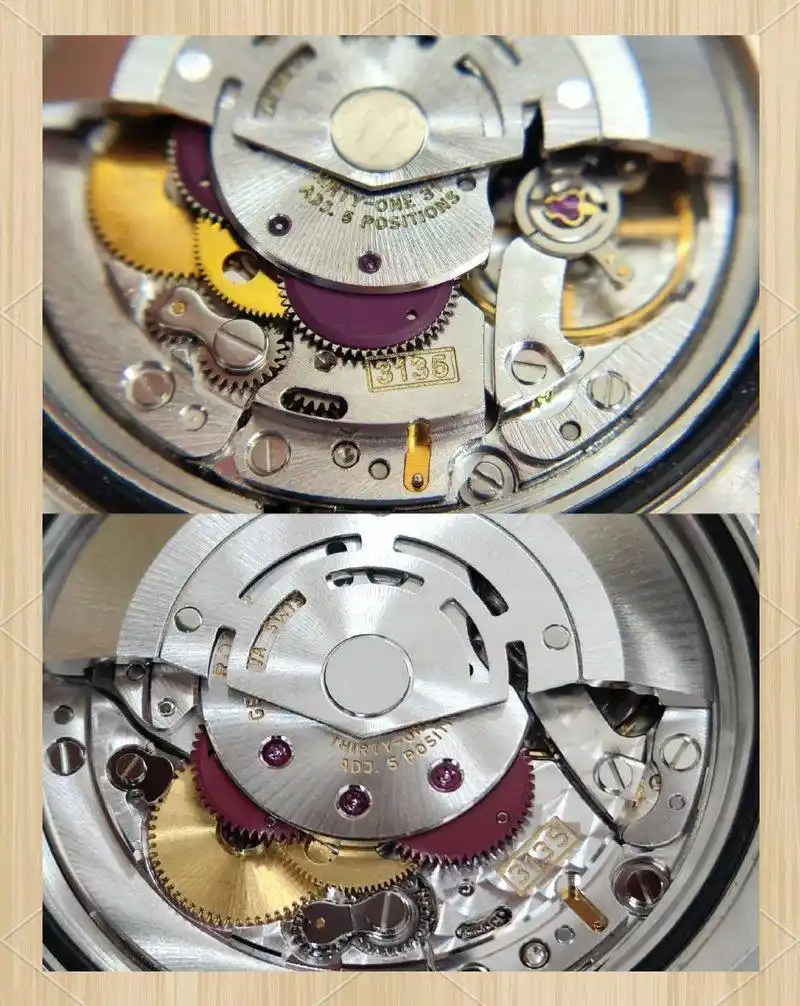
Why Swiss Movements Are the Backbone of Rolex’s Value
Swiss watchmaking has long been synonymous with meticulous craftsmanship, and Rolex elevates this legacy through its proprietary movements. Unlike many luxury brands that rely on outsourced calibers, Rolex designs, manufactures, and refines every movement in-house—a process that ensures unparalleled quality control, technological innovation, and brand exclusivity. These factors directly translate to value in three core ways:
- Unmatched Precision & Reliability: All Rolex movements are certified by the Contrôle Officiel Suisse des Chronomètres (COSC), the gold standard for chronometric accuracy, with a daily error margin of just -2/+2 seconds. Beyond COSC, Rolex subjects each movement to additional “Superlative Chronometer” testing, ensuring it performs flawlessly even after casing. This level of precision is rarely matched by third-party movements and keeps Rolexes desirable for decades.
- Durability & Longevity: Rolex integrates patented technologies to enhance movement resilience—such as Parachrom hairsprings (resistant to magnetism and temperature fluctuations) and Chronergy escapements (boosting efficiency by 15%). These innovations extend the movement’s lifespan to 10+ years with proper maintenance, reducing depreciation and positioning Rolexes as heirloom-worthy investments.
- Brand Exclusivity & Rarity: By avoiding off-the-shelf movements (e.g., ETA), Rolex maintains full control over its production process. This exclusivity means genuine Rolex calibers (like the iconic 3135 or modern 3235) are not available to other brands, creating a unique selling point that fakes and lesser luxury watches cannot replicate. Collectors and buyers are willing to pay a premium for this “Swiss-made, in-house” pedigree.
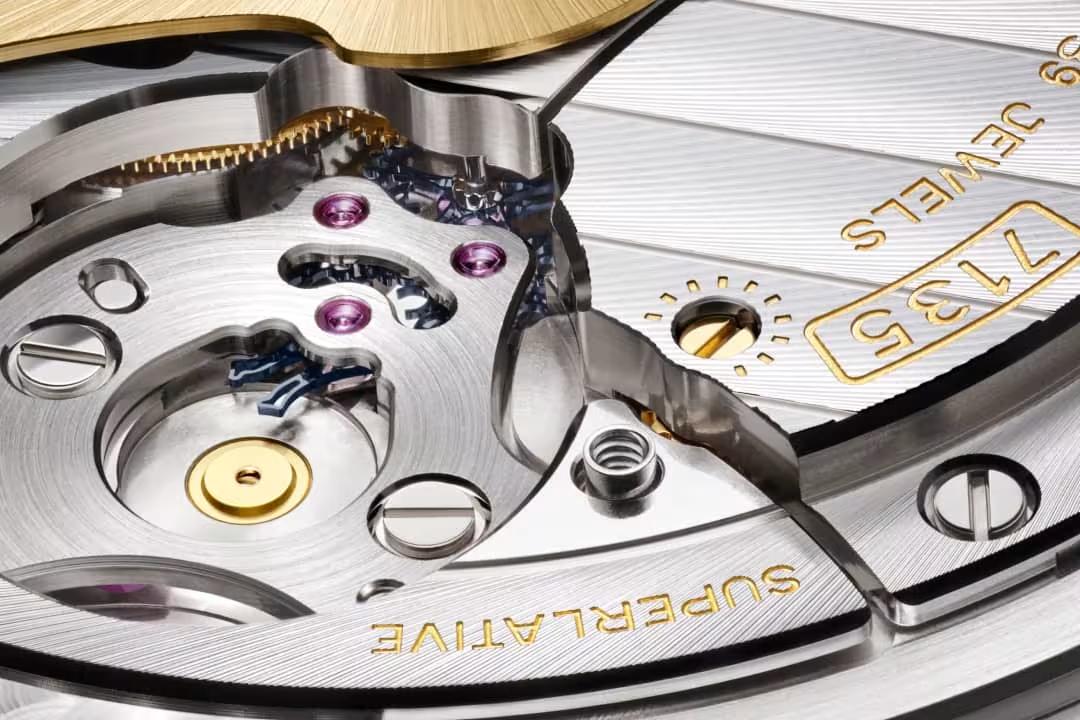
Key Swiss Movement Features That Drive Rolex’s Resale Value
Not all Swiss movements are created equal—and Rolex’s calibers stand out for specific technical attributes that directly impact value retention and market demand. Below are the most critical features to prioritize:
- In-House Manufacturing: Every genuine Rolex movement (e.g., 3135, 3235, 4130 for Daytonas) is designed and built entirely at Rolex’s facilities in Geneva. This eliminates reliance on external suppliers and ensures consistency in quality— a major plus for resale, as buyers trust Rolex’s internal standards over third-party calibers.
- Patented Technological Advancements: Features like Paraflex shock absorbers (for impact resistance) and Syloxi silicon hairsprings (in newer models) demonstrate Rolex’s commitment to innovation. These technologies not only improve performance but also signal a “modern” or “updated” status, which can increase value for newer models.
- Power Reserve & Efficiency: Contemporary Rolex movements (e.g., 3235) offer a 70-hour power reserve—significantly longer than older calibers and many competitors. This practical benefit (no need for daily winding during short periods of non-wear) makes Rolexes more user-friendly and appealing to everyday wearers and collectors alike.
- Craftsmanship & Finishing: Even though most Rolexes feature closed casebacks (hiding the movement), the brand’s calibers are finished to meticulous standards—including Geneva stripes, polished bridges, and branded rotors. For models with display casebacks (e.g., some Cellini variants), this finishing becomes a visual selling point that enhances perceived value.
How to Identify a Genuine Rolex Swiss Movement (Key Checks)
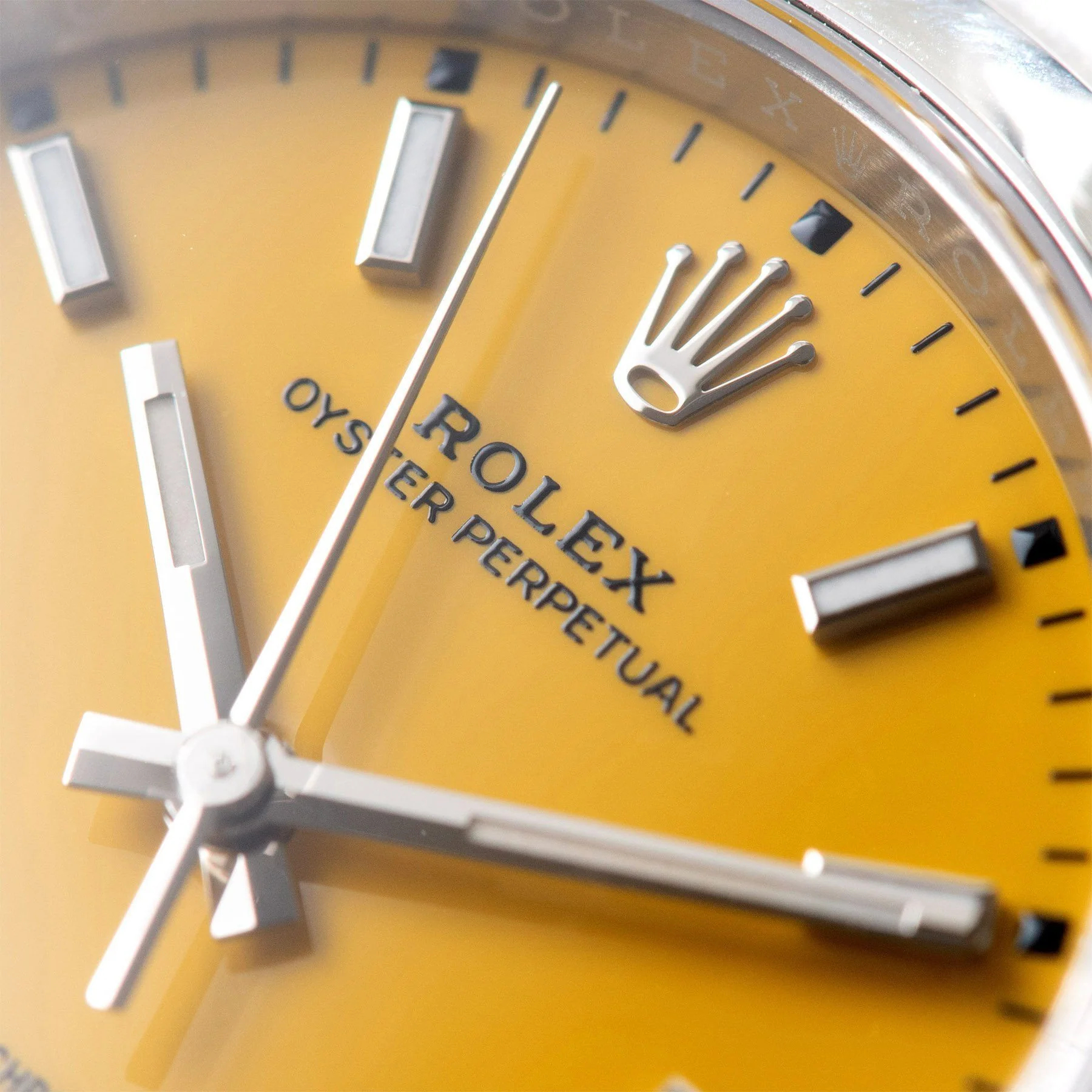
Given the central role of movements in value, distinguishing genuine Rolex calibers from fakes is critical. Counterfeiters often use low-quality quartz or generic automatic movements that mimic Rolex’s外观 but fail to match its performance or craftsmanship. Use these step-by-step checks to verify authenticity:
1. Visual Inspection (With a Loupe or Magnifier)
- Engraving Quality: Genuine Rolex movements feature crisp, deep engravings—including the caliber number (e.g., “3135”), “ROLEX GENEVA SWITZERLAND,” and patent markings. Fakes often have blurry, shallow, or misspelled engravings, with uneven spacing between text.
- Rotor Design: The movement’s rotor (the oscillating weight that winds the mainspring) is made of 21k gold or platinum on genuine Rolexes, with a smooth, symmetrical finish. It will also have clear engravings (e.g., “ROLEX” or the coronet logo) and spin bidirectionally with minimal noise. Fake rotors are often lightweight, poorly finished, or spin erratically.
- Component Alignment: Rolex movements are assembled with microscopic precision—gears, bridges, and screws are perfectly aligned, with no excess lubricant or visible gaps. Fakes may show misaligned parts, rough edges, or sloppy assembly.
2. Performance & Functionality Tests
- Sweeping Seconds Hand: Genuine Rolex automatic movements produce a smooth, continuous sweep (no “tick-tock” sound). Quartz fakes will tick visibly at 1-4 beats per second, while low-quality mechanical fakes may have a jerky or noisy sweep.
- Accuracy Check: Use a timegrapher tool (or a smartphone app like “Watch Tracker”) to measure daily accuracy. Genuine Rolexes will fall within the -2/+2 seconds range. Fakes often have errors exceeding ±10 seconds per day.
- Power Reserve Test: For modern models (e.g., 3235 caliber), fully wind the watch and let it sit unused. A genuine movement will keep time for 70+ hours; fakes typically die within 24-48 hours.
3. Documentation & Provenance
- Warranty Card & Service Records: Genuine Rolexes come with a warranty card that matches the watch’s serial number and movement caliber. Service records from authorized Rolex Service Centers will detail movement overhauls, parts replacements, and accuracy certifications—all of which boost value and authenticity.
- Serial Number Cross-Reference: Rolex’s serial number (laser-etched on the rehaut post-2008) correlates with the production year. Verify that the movement’s age (inferred from its caliber and design) matches the serial number’s production timeline (e.g., a 3235 caliber should not appear in a watch with a pre-2015 serial number).
Frequently Asked Questions (FAQs) About Swiss Movements & Rolex Value
Q1: Do all Rolex watches use in-house Swiss movements?
A1: Yes. Since the 1980s, Rolex has phased out all third-party movements and now manufactures 100% of its calibers in-house. This includes iconic models like the Submariner (3135/3235), Daytona (4130), and GMT-Master II (3285). Even vintage Rolexes from the mid-20th century (e.g., those using the 1570 caliber) feature Rolex-designed movements, though some early models relied on modified outsourced calibers (now highly collectible for their historical significance).
Q2: How does movement maintenance affect Rolex’s resale value?
A2: Regular movement maintenance is critical for preserving value. Rolex recommends a full service every 10 years (or 7 years in harsh climates), which includes disassembling the movement, ultrasonic cleaning, relubrication, and accuracy recalibration. A well-documented service history can increase a Rolex’s resale value by 10-20%, as it proves the movement is in optimal condition. Neglected movements (e.g., dried lubricants, worn parts) lead to accuracy issues, corrosion, and significant depreciation.
Q3: Are newer Rolex movements (e.g., 3235) more valuable than older ones (e.g., 3135)?
A3: It depends on the model and collector demand. Newer movements like the 3235 (introduced in 2015) offer improved power reserve (70 hours vs. 48 hours for the 3135), better anti-magnetism, and enhanced efficiency—making them more desirable for everyday wearers. However, older calibers like the 3135 (dubbed the “workhorse” of Rolex movements) are prized for their legendary durability and simplicity, and vintage Rolexes with well-preserved 3135 movements often hold their value equally well. Limited-edition or discontinued models with unique movements (e.g., the 4130 in the Daytona) may command higher premiums regardless of age.
Q4: Can counterfeit Rolexes replicate genuine Swiss movements?
A4: While high-end “super clone” fakes may mimic the外观 of Rolex movements (e.g., similar engravings or rotor design), they cannot replicate the precision, durability, or patented technologies of genuine calibers. Fake movements often use low-grade materials, lack COSC certification, and fail to meet Rolex’s accuracy standards. Even trained eyes can spot differences under magnification (e.g., uneven finishing, incorrect part alignment, or missing patents). For absolute certainty, professional authentication via a Rolex Service Center or certified horologist is recommended.
Q5: How does the “Swiss Made” label impact Rolex’s value?
A5: The “Swiss Made” label is more than a geographic marker—it signifies adherence to strict quality standards for materials, craftsmanship, and assembly (at least 60% of the movement’s value must be produced in Switzerland). For Rolex, this label is amplified by its in-house production process, as it guarantees the entire movement is Swiss-made from start to finish. In the luxury watch market, “Swiss Made” adds inherent prestige and resale value, with buyers willing to pay 20-30% more for timepieces with authentic Swiss movements compared to those with non-Swiss or outsourced calibers.
Q6: Are Rolex movements a good indicator of a watch’s authenticity?
A6: Yes—movements are one of the most reliable authenticity checks. Counterfeiters often cut corners on movements (using cheap quartz or generic automatic calibers) because replicating Rolex’s in-house Swiss movements is technically challenging and costly. Key red flags include: visible ticking (quartz fakes), sloppy engravings, lightweight rotors, and accuracy errors exceeding ±5 seconds per day. When combined with other checks (e.g., serial numbers, cyclops lens, bracelet quality), movement inspection provides near-definitive proof of authenticity.
Conclusion: Investing in Movement Excellence
Swiss movements are the foundation of Rolex’s enduring value, blending precision, durability, and exclusivity in a way that few luxury brands can match. For buyers, understanding the technical nuances of these calibers—from in-house manufacturing to patented innovations—empowers smarter purchasing decisions. For collectors, a well-maintained, genuine Rolex movement is a guarantee of long-term value retention and desirability. By prioritizing movement authenticity, performance, and maintenance, you’re not just buying a watch—you’re investing in a legacy of Swiss craftsmanship that stands the test of time.
Whether you’re shopping for a pre-owned Submariner, evaluating a collector’s Daytona, or simply deepening your knowledge, remember: a Rolex’s value is only as strong as its movement. Choose wisely, maintain diligently, and trust in the Swiss engineering that has made Rolex a global symbol of luxury and reliability.
Leave a Reply