
General Questions About the Rolex Datejust
What defines the Rolex Datejust as a luxury watch icon?
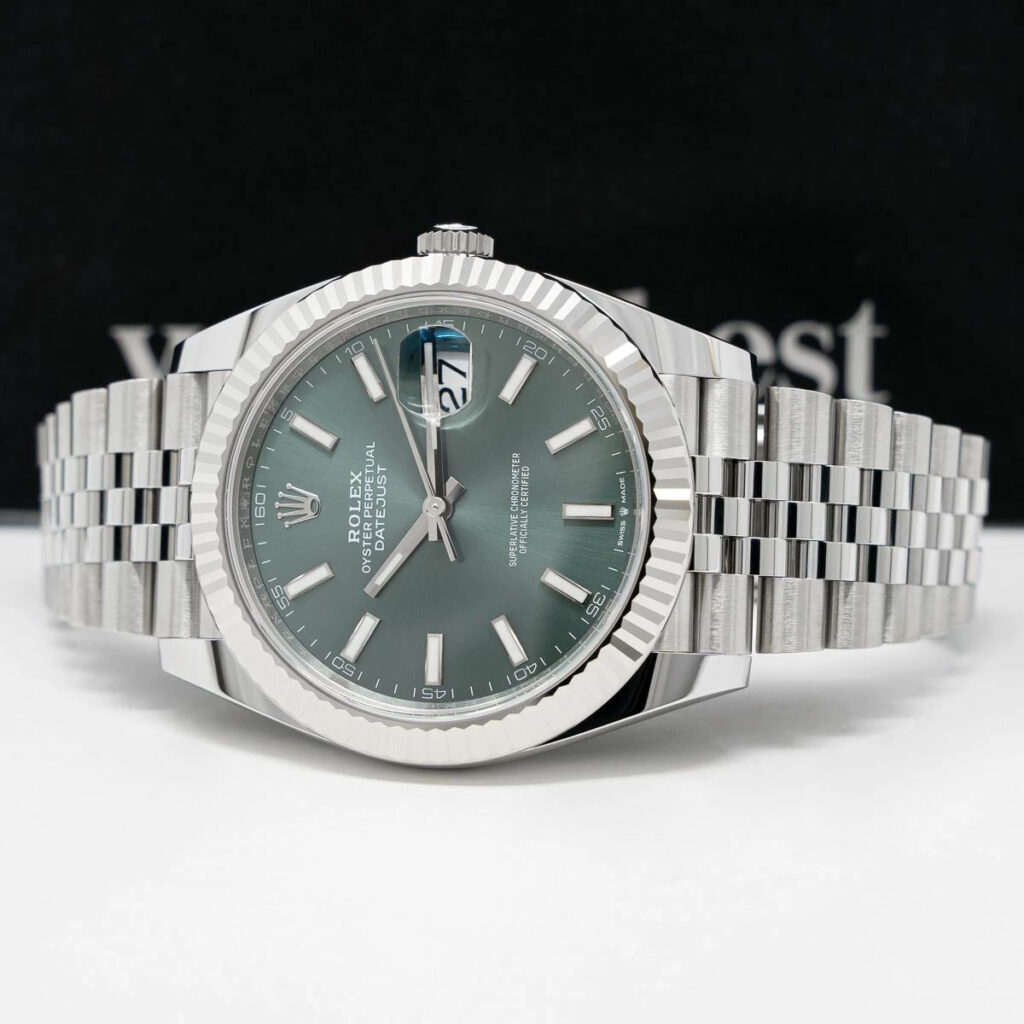
Introduced to mark Rolex’s 40th anniversary, the Datejust revolutionized watchmaking as the world’s first self-winding chronometer with a permanent date display at the 3 o’clock position. Its signature features—including the 2.5x Cyclops lens over the date window, fluted bezel, and robust Oyster case—have remained iconic for nearly 80 years, while Rolex’s continuous engineering refinements (e.g., upgraded in-house movements, scratch-resistant materials) ensure it stays at the forefront of luxury watchcraft. A seamless blend of formal elegance and casual wearability, the Datejust is synonymous with timeless prestige and uncompromising quality, making it a staple in luxury watch collections worldwide.
What are the core size options for the Rolex Datejust (genuine and superclone)?
Both genuine and high-quality superclone Rolex Datejust models mirror the same industry-standard sizes to preserve authentic proportions: 31mm (a mid-size option, popular for both men and women), 36mm (the original classic size, a universal fit for most wrists), and 41mm (a contemporary larger size with enhanced wrist presence). Vintage genuine Datejust models are exclusively 36mm, and top superclone factories replicate this detail precisely, with no deviation in case diameter or lug-to-lug length for a true-to-original fit.
What key materials and design features make the Datejust unique?
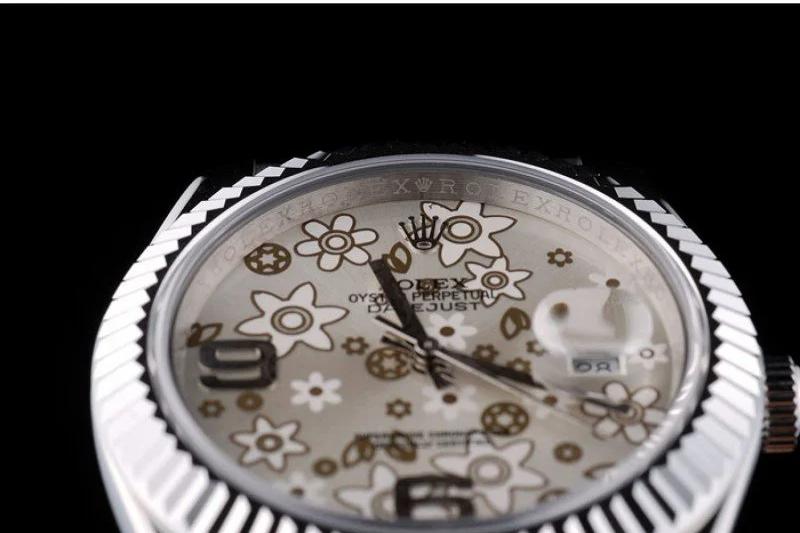
Genuine Rolex Datejust models use the brand’s proprietary 904L Oystersteel (a highly corrosion-resistant, scratch-proof alloy), solid precious metals (yellow gold, white gold, Everose gold), or Rolesor two-tone combinations (steel + precious metal). They feature scratch-resistant sapphire crystals with anti-reflective (AR) coating, ceramic fluted bezels (on modern models), and either the Oyster three-link or Jubilee five-link bracelet—both with Easylink quick-adjustment systems. Top-tier superclones replicate these materials exactly (904L steel, sapphire AR crystal, ceramic bezels), while standard replicas often cut corners with 316L steel, mineral glass, or aluminum bezels for cost savings.
Buying a Genuine Rolex Datejust
Where is the only legitimate place to buy a new genuine Rolex Datejust?
New genuine Rolex Datejust watches are available exclusively through authorized Rolex dealers worldwide—Rolex does not sell directly to consumers online or through third-party retailers. Pre-owned and certified pre-owned (CPO) genuine Datejust models can be purchased from reputable luxury watch retailers, Rolex’s official CPO program, or trusted pre-owned marketplaces (e.g., Chrono24, Bob’s Time) that offer authentication and verification services.
What is the price range for a genuine Rolex Datejust?
Pricing for a new genuine Datejust starts at approximately $7,700 USD for a 36mm or 41mm 904L steel model (reference 126200/126300) and rises significantly with precious metals, diamond settings, or limited-edition dials. Solid gold Datejust models start at $15,000 USD, while diamond-set variants can cost upwards of $20,000 USD or more. Pre-owned genuine Datejust prices range from $5,000 USD (vintage steel models) to over $50,000 USD for rare vintage gold models or limited editions, depending on condition, year, and included accessories (box, papers, warranty card).
Does the genuine Rolex Datejust have a waitlist, and is it hard to find?
Unlike Rolex’s sports models (e.g., Submariner, Daytona), which have multi-year waitlists, the Datejust is one of Rolex’s most accessible models. Basic steel 36mm/41mm Datejust models are typically in stock at authorized dealers, with only rare configurations (e.g., diamond-set precious metal models, exclusive dial colors) having short waitlists. Pre-owned and CPO models offer immediate availability for all Datejust configurations.
What warranty and after-sales support comes with a genuine Datejust?
All new genuine Rolex Datejust watches include a 5-year international manufacturer’s warranty from Rolex, covering all mechanical defects and craftsmanship issues. Rolex’s official CPO program extends this warranty to 2 years for pre-owned models, after a rigorous 100+ point inspection and service by Rolex-trained watchmakers. Authorized Rolex Service Centers worldwide provide lifetime servicing, maintenance, and repair for genuine Datejust models, with genuine OEM parts and factory-backed quality guarantees.
How well does a genuine Rolex Datejust hold its value?
The Rolex Datejust is renowned for its exceptional value retention—among the best in the luxury watch market. Its timeless design, global brand recognition, and uncompromising build quality ensure that even steel Datejust models hold their value for decades, with many pre-owned steel models selling for near or above their original retail price (especially in the grey market). Well-preserved vintage Datejust models and rare configurations often appreciate in value, making them a smart long-term investment for collectors.
Buying a Rolex Datejust Replica vs. Superclone
What is the difference between a Rolex Datejust replica and a superclone?
The terms are not interchangeable—they refer to two distinct levels of craftsmanship and quality:
- Standard Replica: Budget-friendly imitations that use low-grade materials (316L steel, mineral glass, aluminum bezels) and basic quartz or Chinese automatic movements. They replicate the Datejust’s general aesthetic but have obvious flaws (misaligned dials, incorrect weight, ticking seconds hand) and are easily identifiable as fakes to the trained eye.
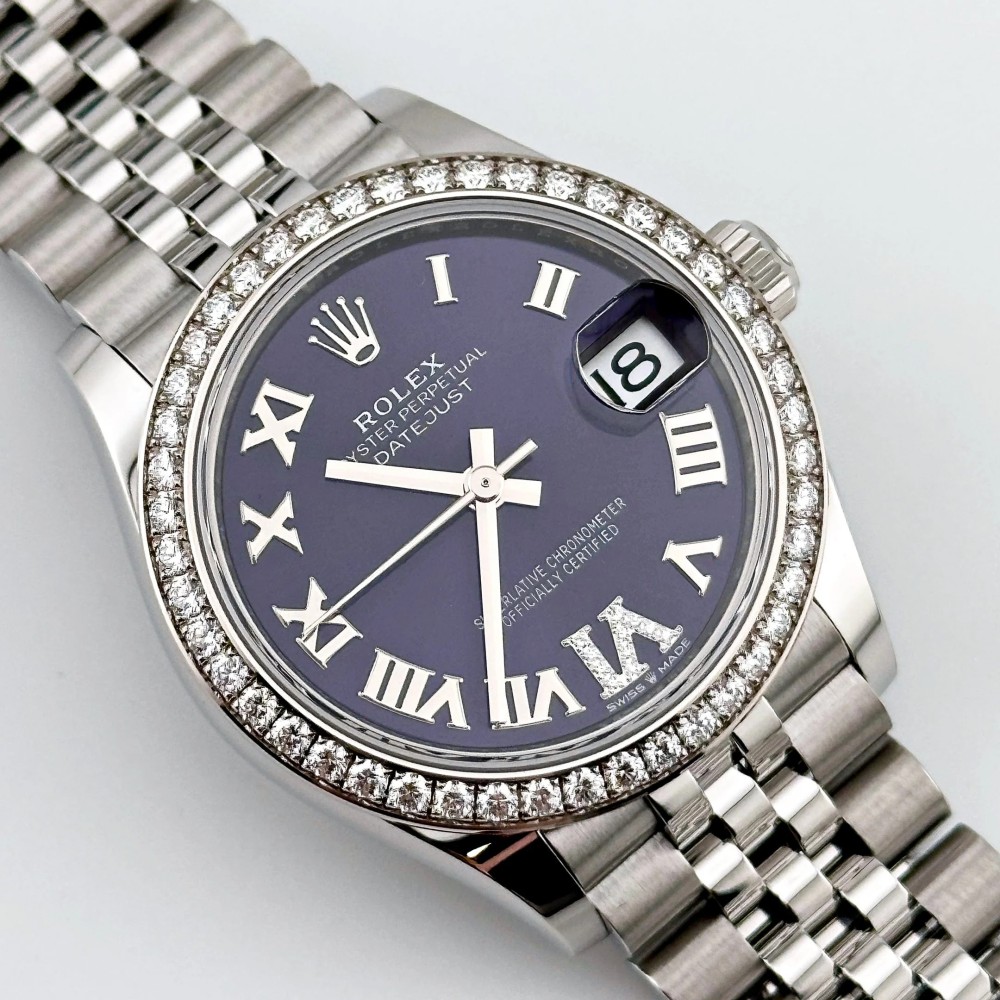
- 1:1 Superclone: The pinnacle of replica engineering, crafted to mirror the genuine Datejust down to 0.02mm tolerances. Superclones use exact match materials (904L Oystersteel, sapphire AR crystal, ceramic bezels) and cloned Swiss-style movements (VR3135/VR3235) that replicate the genuine’s smooth sweeping seconds hand, hacking function, and 72-hour power reserve. They are indistinguishable from the genuine at wrist distance—even horology experts need a loupe to spot minor differences (e.g., rehaut engraving depth, lume texture).
Top superclone factories (Clean, ZF) specialize in Datejust models, with Clean Factory being the industry gold standard for Datejust precision and finish.
What materials and movements do top Rolex Datejust superclones use?
High-quality Datejust superclones from leading factories (Clean, ZF) use 1:1 genuine-matching materials and movements for an authentic look and feel:
- Case & Bracelet: 904L Oystersteel (matching the genuine’s weight, corrosion resistance, and finish), solid end-links, and either Oyster or Jubilee bracelets with functional Easylink quick-adjustment.
- Crystal & Bezel: Sapphire crystal with AR coating (glare-free, scratch-proof) and ceramic fluted bezel with exact font engraving and color matching.
- Movement: Cloned VR3135 or VR3235 automatic movements (Swiss-style) that deliver smooth sweeping seconds, hacking function, quickset date, and an accuracy of ±5 seconds per day—nearly matching the genuine’s Superlative Chronometer precision.
- Details: 2.5x Cyclops lens (exact magnification), Super-LumiNova lume (matching the genuine’s glow and longevity), and laser-etched rehaut engravings for a true-to-original finish.
What is the price range for a Rolex Datejust replica vs. superclone?
Pricing reflects the vast difference in craftsmanship and materials:
- Standard Replica: $100–$300 USD, with no quality control or warranty.
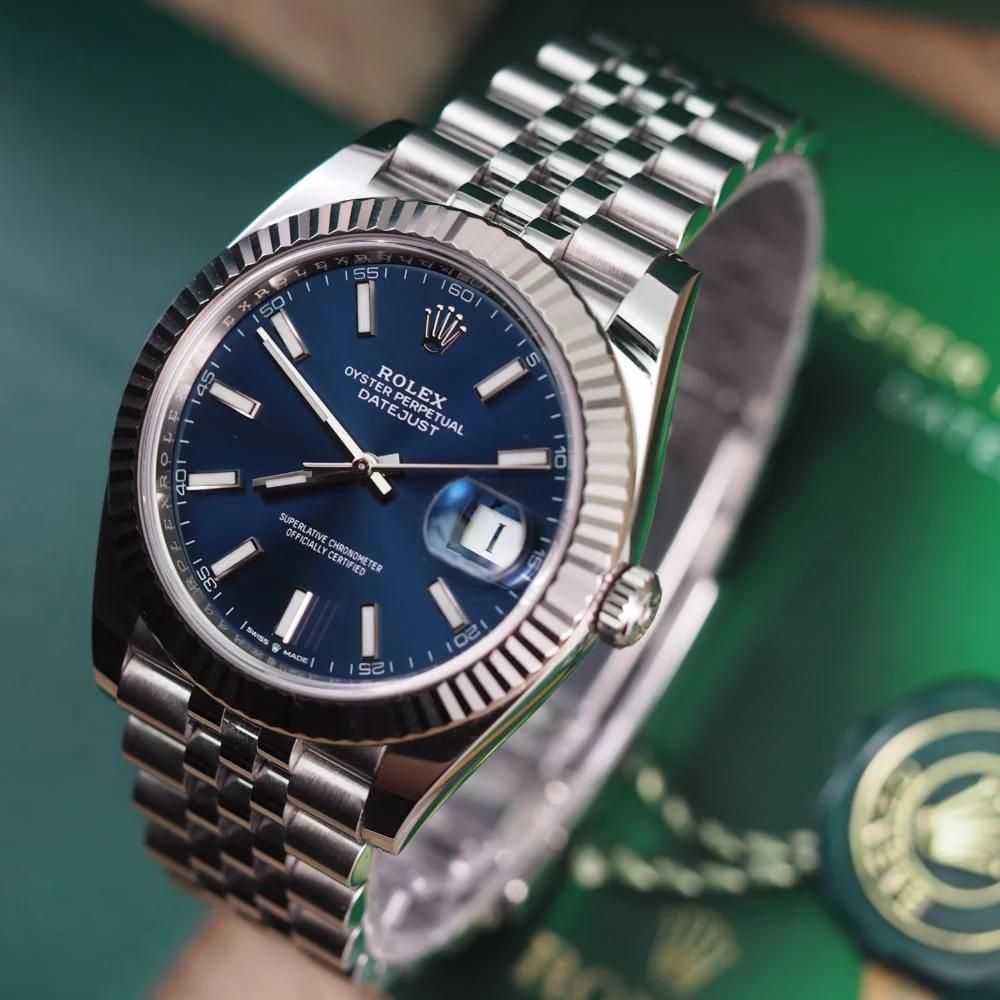
- 1:1 Superclone: $400–$1299 USD, with prices varying by factory (Clean Factory being the premium option) and configuration (steel, two-tone, gold-plated). All top superclones include pre-shipment quality control (QC) and a manufacturer’s warranty.
This represents just 5–10% of the cost of a genuine Datejust, making superclones a cost-effective way to enjoy the iconic Datejust aesthetic without the six-figure investment.
Where is the best place to buy a high-quality Rolex Datejust superclone?
For a safe, transparent buying experience, choose a reputable online retailer like Bob’s Time (bobsTime.com)—a premier destination for 1:1 Rolex superclones, with factory-direct sourcing, rigorous quality control, and buyer protection. Trusted retailers offer:
- Real-time pre-shipment QC photos/videos (360° views, wrist shots, lume tests) for buyer approval before shipping.
- Discrete, insured worldwide shipping (5–12 days delivery to the US, EU, Asia).
- 1–2 year manufacturer’s warranties and 24/7 after-sales support (sizing, repairs, guidance).
- Clear listings by factory, movement specs, and model reference—no vague SKUs or hidden fees.
Avoid unvetted marketplaces or social media sellers, which often deliver low-quality replicas or engage in fraud.
Is owning or buying a Rolex Datejust superclone legal?
Owning a Rolex superclone for personal use is legal in most countries worldwide (including the US, EU, UK, and Asia). The legal distinction lies in misrepresentation: it is illegal to sell, trade, or pass off a superclone as a genuine Rolex watch, or to use Rolex’s trademarked branding for commercial gain without authorization. Reputable superclone retailers explicitly state that their products are replicas for personal use only, with no intent to defraud—eliminating legal risk for buyers.
How long does a Rolex Datejust superclone last, and how is it maintained?
With proper care, a high-quality Datejust superclone will last 5–10+ years of daily wear—far longer than a standard replica. Superclone movements are serviceable by independent watchmakers (avoid Rolex Service Centers, which only service genuine models), with a recommended service every 2–3 years (lubrication, cleaning, part replacement). Daily maintenance for a superclone is identical to a genuine Datejust:
- Wipe with a lint-free microfiber cloth to remove sweat/dust.
- Rinse with fresh water after exposure to saltwater, chlorine, or dirt (ensure the crown is screwed down).
- Avoid strong magnets, extreme temperatures, and harsh chemicals (which damage the movement and finishes).
- Store in a low-humidity environment when not in use (a watch winder is recommended for automatic models).
Key Considerations for First-Time Buyers
Should I buy a genuine Rolex Datejust or a superclone?
The decision hinges on your budget, goals, and intended use:
- Choose a genuine Datejust if you are looking for a long-term investment, want factory-backed warranty/servicing, or plan to resell the watch—genuine models hold value and are heirloom-quality pieces.
- Choose a superclone Datejust if you want the iconic Datejust aesthetic for daily wear, want to avoid the financial risk of scratching/damaging a $10k+ luxury watch, or have a limited budget—superclones deliver 99% of the genuine’s look and feel at 5% of the cost.
Superclones are also a popular choice for collectors who want to own multiple Datejust configurations (e.g., steel, two-tone, gold) without investing in multiple genuine pieces.
What Datejust model (size/material) is best for first-time buyers?
For both genuine and superclone first-time buyers, the 36mm or 41mm 904L steel Datejust (reference 126200/126300) is the ultimate choice. Steel models are the most versatile (suitable for formal/casual wear), durable, and cost-effective—they also hold their value best (for genuine) and are the most widely available (for superclones). The 36mm size is a classic universal fit, while the 41mm offers a more contemporary, bold look for larger wrists (7.5+ inches).
What red flags should I avoid when buying a Datejust (genuine or superclone)?
For genuine Datejusts:
- Sellers offering “new genuine Rolex” at steep discounts (authorized dealers sell at fixed Rolex pricing—no discounts).
- Missing serial/reference numbers, or mismatched numbers on the watch, warranty card, and box.
- No authentication or verification for pre-owned models (always request a professional authentication report).
For Datejust superclones:
- Sellers that do not offer pre-shipment QC photos/videos (a non-negotiable for high-quality superclones).
- Prices that are too low (under $400 USD for a “1:1 superclone”—this is always a standard replica).
- Vague listings with no factory information (top superclones are clearly labeled by factory: Clean, ZF).
- No warranty or after-sales support (reputable retailers stand behind their products with a warranty).
Final Tips for Buying Your Perfect Rolex Datejust
Whether you choose a genuine Rolex Datejust, a high-quality superclone, or a pre-owned piece, the key to a successful purchase is research and due diligence. For genuine models, stick to authorized dealers or trusted CPO retailers with verified authentication—never cut corners for a “deal.” For superclones, choose a reputable retailer with transparent QC, shipping, and warranty policies to ensure you receive a true 1:1 replica.
For daily wear, a superclone Datejust delivers the iconic aesthetic and build quality you want without the financial stress of owning a genuine luxury watch. For long-term investment or heirloom status, a genuine Datejust is an unparalleled choice—one that will stand the test of time and retain its prestige for generations.
Whichever you choose, the Rolex Datejust’s timeless design ensures it will remain a staple in your watch collection, elevating every outfit and occasion with understated luxury and Swiss precision.
More Rolex Datejust FAQs
Rolex Datejust: Top 10 FAQs Answered by Experts (2026)
A cornerstone of luxury horology since 1945, the Rolex Datejust balances timeless elegance with everyday functionality. Below are expert answers to the most pressing questions about this iconic timepiece—from alternative models to authentication, pricing, and beyond.
1. Best luxury watch models similar to Datejust
The Rolex Datejust’s blend of dressy sophistication and daily wearability sets a high bar, but these luxury alternatives match its versatility, craftsmanship, and prestige:
- Omega Seamaster Aqua Terra 150M: A refined sports-dress hybrid with stainless steel construction, Co-Axial automatic movement, and date functionality—ideal for professionals seeking Swiss precision at a competitive price.
- Tudor Black Bay 58 Date: Rolex’s sister brand delivers vintage-inspired charm with a 39mm case, automatic movement, and date window—offering similar durability at a more accessible price point.
- IWC Portofino Automatic 40mm: A minimalist dress watch with a clean dial, slim profile, and reliable in-house movement—perfect for formal occasions while remaining versatile enough for casual wear.
- Cartier Ballon Bleu de Cartier 40mm: Features a iconic blue sapphire crown, date display, and smooth automatic movement—blending luxury aesthetics with everyday practicality.
- Breitling Premier Automatic 40mm: Combines retro-inspired design with chronometer-certified precision, a date function, and a polished stainless steel case—balancing elegance and sporty reliability.
2. What are the historical milestones of this iconic model?
The Rolex Datejust’s legacy is defined by innovation and timeless design, with key milestones shaping its status as a luxury icon:
- 1945: Debuts as the world’s first self-winding chronometer wristwatch with a permanent date display at 3 o’clock—revolutionizing practical luxury to mark Rolex’s 40th anniversary.
- 1950s: Introduces the iconic Cyclops lens (2.5x date magnification), a signature feature that enhances legibility and becomes a Rolex hallmark.
- 1953: Launches the Jubilee bracelet, a five-link design exclusive to the Datejust initially, offering enhanced comfort and elegance alongside the existing Oyster bracelet.
- 1960s–1970s: Expands materials to include 18k gold and Rolesor (steel/gold two-tone) combinations, catering to diverse luxury preferences—vintage models from this era are now highly collectible.
- 2000s: Adopts the in-house Caliber 3135 for 36mm models, a superlative chronometer with 48-hour power reserve, hacking seconds, and exceptional accuracy.
- 2016: Unveils the 41mm Datejust with the new Caliber 3235—featuring a 70-hour power reserve, Chronergy escapement, and improved durability for modern wrist presence.
- 2020s: Introduces advanced dial finishes (sunburst, mother-of-pearl) and diamond-set options, solidifying its position as Rolex’s best-selling dress watch for first-time buyers and collectors alike.
3. Where to buy authentic Datejust watches near me
To ensure authenticity, purchase genuine Rolex Datejust models through these trusted channels—avoid unregulated marketplaces or private sellers without verification:
- Rolex Authorized Dealers: The only source for new Datejust watches. Use the official Rolex Dealer Locator to find local stores, which offer factory warranties, authentic packaging, and fixed pricing (no discounts).
- Rolex Certified Pre-Owned (CPO) Program: Available at select authorized dealers, offering pre-owned Datejusts that undergo a 100+ point inspection, professional servicing, and a 2-year Rolex warranty.
- Reputable Luxury Watch Retailers: Established brick-and-mortar stores like Bucherer, Tourneau/Watch Station, and local independent horology boutiques specialize in authenticated pre-owned Datejusts—they provide detailed condition reports and service histories.
- Vetted Online Platforms: Trusted retailers like Bob’s Watches and WatchBox offer nationwide shipping with in-person showrooms, ensuring full authentication and transparent grading for pre-owned models.
Always verify a retailer’s Rolex authorization via the official website—avoid pawn shops, flea markets, or social media sellers to prevent counterfeit purchases.
4. Tell me about the different movement types in these watches
Rolex Datejust models exclusively use in-house automatic movements (no quartz options) renowned for precision, reliability, and longevity. All are Superlative Chronometer-certified (±2 seconds/day accuracy post-casing) and COSC-certified. Key iterations include:
- Caliber 740 (1950s–1960s): An early automatic movement for vintage 36mm Datejusts, combining hand-wound and automatic functionality with a 36-hour power reserve—laying the groundwork for Rolex’s modern calibers.
- Caliber 3035 (1970s–1990s): A breakthrough movement with a 48-hour power reserve, hacking seconds (for precise time-setting), and quickset date—used in 36mm Datejusts and regarded as a Rolex workhorse.
- Caliber 3135 (1988–2020s): Iconic for 36mm Datejusts, featuring Paraflex shock absorbers, anti-magnetic properties, and a smooth sweeping seconds hand—still used in some vintage-inspired models today.
- Caliber 2236 (2010s–present): Exclusive to the 31mm Datejust, a slim automatic movement with a 70-hour power reserve, Chronergy escapement (15% more efficient), and Superlative Chronometer certification—optimized for smaller case sizes.
- Caliber 3235 (2016–present): Flagship movement for 36mm and 41mm Datejusts, Rolex’s most advanced automatic caliber. Boasts a 70-hour power reserve, Chronergy escapement, Paraflex shock absorbers, and anti-magnetic alloy components—setting the standard for modern Datejust performance.
5. How to authenticate a Datejust watch before purchase
Authenticating a Datejust requires inspecting micro-details, materials, and documentation—counterfeits (even high-end superclones) fail these checks. Use a 10x loupe and follow this step-by-step process:
- Serial & Reference Numbers: Engraved on the rehaut (inner bezel) at 6 o’clock (post-2008) or between the lugs (pre-2008). Genuine engravings are deep, crisp, and evenly spaced; fakes have shallow, blurry, or misaligned numbers. Cross-reference the serial with Rolex production charts to match the watch’s age.
- Cyclops Lens: 2.5x magnification with no distortion—genuine lenses show a flat, centered date. Fakes often have 2x or less magnification, green tints, or off-center dates.
- Dial & Lume: Genuine dials have laser-sharp printing, a symmetrical Rolex coronet at 12 o’clock, and uniform lume (blue Chromalight post-2008, green vintage lume). Fakes have blurry text, misaligned markers, or patchy lume that fades unevenly.
- Case & Bracelet: Made from Rolex’s proprietary 904L Oystersteel (hefty, corrosion-resistant) or 18k gold/Rolesor. Genuine cases have polished edges and brushed sides; bracelets (Oyster/Jubilee) have solid end-links, tight articulation, and a functional Easylink clasp. Fakes use lightweight 316L steel, hollow links, or loose clasps.
- Movement (Visual/Functional Check): Genuine movements have a smooth sweeping seconds hand (no ticking); the rotor spins bidirectionally with crisp “ROLEX” engravings. Fakes use cheap Chinese/ETA movements with ticking seconds or rough engravings.
- Documentation: Genuine Datejusts include a warranty card (microchip/NFT post-2007) with a matching serial, dealer stamp, and original box. Fakes have generic boxes, fake warranty cards, or mismatched serials.
- Professional Authentication: For pre-owned models, obtain a certification report from a Rolex Service Center, AWCI/GIA-certified horologist, or trusted retailer like Bob’s Watches—they use X-rays, timegraphers, and micro-inspection to verify authenticity.
6. What are the common dial variations available?
The Rolex Datejust offers diverse dial finishes, colors, and markers to suit classic and contemporary tastes—all crafted with Rolex’s precision. Common variations include:
- Solid Color Dials: Black, white, silver, and champagne (classic options) with matte or sunburst finishes—sunburst dials shift color in light (e.g., champagne glows gold in natural light).
- Sunburst Dials: Modern finishes in blue, green, slate gray, and rose gold—popular for 41mm models, adding depth and visual interest.
- Mother-of-Pearl (MOP) Dials: White, black, or pink MOP with iridescent tones—paired with diamond or gemstone hour markers for elevated luxury.
- Diamond/Gemstone Dials: Round brilliant-cut diamonds (VS/SI clarity) as hour markers or full diamond dials; some models feature sapphires, rubies, or emeralds for a bold statement.
- Marker Styles: Roman numerals (iconic Datejust look), bold Arabic numerals (sportier appeal), or simple metal indexes (minimalist)—all applied (raised) for a 3D effect on genuine models.
- Textured Dials: Tapestry or guilloche engravings (vintage and limited-edition models) for a sophisticated, collectible look—rare in modern production.
- Two-Tone Dials: Gold/silver or black/gold accents matching Rolesor two-tone cases—creating a cohesive luxury aesthetic.
7. Top retailers offering Datejust watches in the US
These reputable retailers stock genuine new and pre-owned Rolex Datejust models, providing authentication, warranties, and expert service:
- Bucherer: A leading luxury watch retailer with locations across the US (NYC, Miami, Los Angeles). Offers new Datejusts and a curated CPO collection with a 2-year warranty.
- Bob’s Watches: California-based with a Costa Mesa showroom and national shipping. Specializes in authenticated pre-owned Datejusts with detailed condition reports and transparent pricing.
- WatchBox: Showrooms in NYC, Dallas, and Miami—offers CPO Datejusts with a 2-year warranty, professional servicing, and condition grading (Excellent, Like New).
- Tourneau/Watch Station: National chain with authorized Rolex dealerships—stocks new Datejust models and select pre-owned options, with in-store authentication.
- Local Independent Boutiques: Authorized Rolex dealers in major cities (e.g., Wempe in NYC, Shreve & Co. in San Francisco) offer personalized service and access to hard-to-find Datejust configurations.
- Rolex Official CPO Program: Available at select authorized dealers—features pre-owned Datejusts inspected and serviced by Rolex-trained watchmakers, with a 2-year factory warranty.
8. Describe the various case sizes offered for this watch
The Datejust’s case sizes have evolved to suit diverse wrist sizes and style preferences—vintage models (1945–2010s) are exclusively 36mm, while modern production (2010s–present) offers three core sizes, all with 904L steel/gold/Rolesor construction and 100m water resistance:
- 31mm (Mid-Size): A slim, elegant option (case thickness: ~11mm) designed for smaller wrists (under 6.5 inches) and unisex wear. Paired with the Caliber 2236 movement, it sits close to the wrist—ideal for formal occasions or those who prefer subtle luxury.
- 36mm (Classic): The original 1945 size (case thickness: ~12mm), a universal fit for most wrists (6.5–7.5 inches). Beloved for its balanced proportions and vintage charm, it’s paired with Caliber 3135 (vintage) or Caliber 3235 (modern)—the best-selling Datejust size for collectors and first-time buyers.
- 41mm (Contemporary): Launched in 2016 (case thickness: ~12.2mm) for bold wrist presence. Ideal for larger wrists (over 7.5 inches) or those who prefer a modern look, it’s exclusively paired with the Caliber 3235 movement—retaining the Datejust’s refined design with enhanced dial visibility.
All Datejust sizes feature a round Oyster case (no square or cushion options) with a screw-down crown and caseback for durability and water resistance.
9. Price range for new Datejust timepieces
New Rolex Datejust prices in the US (2026) are fixed by Rolex (no discounts at authorized dealers) and vary by size, material, and dial details. Core price points include:
| Model Type | Size | Price Range (New) |
|---|---|---|
| Steel (Solid Dial) | 31mm | $7,400 – $8,200 |
| Steel (Solid/Sunburst Dial) | 36mm/41mm | $7,700 – $9,800 |
| Rolesor Two-Tone (Steel/Gold) | All Sizes | $12,100 – $16,600 |
| Solid Gold (Yellow/White/Everose) | All Sizes | $15,500 – $27,000+ |
| Diamond-Set | All Sizes | $20,000 – $100,000+ |
All new Datejusts include a 5-year international Rolex warranty, authentic packaging (box, warranty card, manual), and no additional fees at authorized dealers.
10. What materials are typically used for its case and bracelet?
Rolex crafts the Datejust with industry-leading materials, prioritizing durability, corrosion resistance, and luxury aesthetics. Case and bracelet materials are identical for cohesion, with core options including:
Case Materials
- 904L Oystersteel: Rolex’s proprietary stainless steel alloy—denser, more corrosion-resistant, and scratch-proof than standard 316L steel. Used for all steel Datejust models, it has a rich, cold steel finish.
- 18k Gold (Yellow/White/Everose): Solid 18k gold (75% pure gold + alloy metals) for premium models. Rolex’s Everose gold is a proprietary rose gold alloy that resists fading/tarnishing—no plating.
- Rolesor (Two-Tone): A Rolex-exclusive combination of 904L steel and 18k gold—case mid-case in steel, with gold fluted bezel, lugs, and crown. The most popular non-steel option, blending luxury and everyday durability.
- Platinum (Rare): Limited-edition models use 950 platinum (95% pure platinum) with a frosted bezel—ultra-premium and highly collectible, with a matte silvery-white tone.
Bracelet Materials
The Datejust offers two signature bracelet styles, both crafted from the same material as the case (steel/gold/Rolesor):
- Oyster Bracelet: A robust three-link design with flat links, solid end-links, and a screw-down Oysterlock safety clasp. Features the Easylink quick-adjust system (5mm adjustment without tools)—ideal for sportier wear.
- Jubilee Bracelet: A refined five-link design with rounded links for enhanced comfort—exclusive to the Datejust at its 1945 launch. Also includes Easylink and Oysterlock, with a dressier finish that pairs perfectly with fluted bezels.
All bracelets use screw-in links (not pins) for durability—Rolex phased out pin links in the 1990s to prevent breakage and ensure a secure fit.
Whether you’re a first-time luxury watch buyer or a seasoned collector, the Rolex Datejust’s timeless design, precision engineering, and versatility make it a worthy investment. For further guidance, consult a trusted authorized dealer or luxury watch specialist to find the perfect model for your style and wrist.
Rolex Datejust Price Guide: Genuine, Replica & Superclone Costs (2026)
One of the most common questions about the iconic Rolex Datejust revolves around its price. Whether you’re considering a genuine model, a high-quality replica, or a 1:1 superclone, understanding the cost landscape helps you make an informed decision. Below, we break down average prices, key variables that impact cost, and accessible alternatives for every budget.
Genuine Rolex Datejust Prices
Genuine Datejust prices vary significantly based on size, materials, age (new vs. pre-owned), and configuration. Rolex sets fixed retail prices for new models (no discounts at authorized dealers), while pre-owned prices fluctuate with market demand, condition, and completeness of accessories (box, papers, service records).
| Model Type | Size | Average New Price (2026) | Average Pre-Owned Price (2026) |
|---|---|---|---|
| Stainless Steel (Solid Dial) | 36mm / 41mm | $7,700 – $9,800 USD | $5,000 – $12,000 USD |
| Rolesor Two-Tone (Steel + Gold) | All Sizes | $12,100 – $16,600 USD | $8,000 – $18,000 USD |
| Solid Gold (Yellow/White/Everose) | All Sizes | $15,500 – $27,000+ USD | $10,000 – $30,000+ USD |
| Diamond-Set (Steel/Gold/Rolesor) | All Sizes | $20,000 – $100,000+ USD | $15,000 – $80,000+ USD |
| Vintage (1970s–2000s) | 36mm (classic size) | N/A (Discontinued) | $3,500 – $25,000+ USD |
Key Variables: Stainless steel models (e.g., reference 126200/126300) offer the most accessible entry point for genuine Datejusts. Rare vintage models, limited-edition dials, or full-gold configurations command premium prices—some even exceeding original retail in the pre-owned market due to high demand.
Rolex Datejust Replica & Superclone Prices
For enthusiasts seeking the Datejust’s iconic design without the six-figure investment, replicas and superclones provide affordable alternatives. The price difference reflects craftsmanship, materials, and attention to detail—with superclones representing the pinnacle of replica engineering.
| Replica/Superclone Type | Key Materials & Movement | Average Price Range (2026) | Value Proposition |
|---|---|---|---|
| Standard Replica | 316L steel, mineral glass, quartz/cheap automatic movement | $100 – $300 USD | Budget-friendly aesthetic copy; |
| High-Quality Superclone | 904L steel, sapphire AR crystal, cloned VR3135/3235 movement | $400 – $1299 USD | 1:1 replication of genuine (90% visual/functional parity); smooth sweeping seconds, correct weight, ceramic bezel |
| Premium Superclone (Clean/ZF Factory) | Exact material matches, Swiss-style movement, 2.5x Cyclops lens | $600 – $1299 USD | Indistinguishable from genuine at wrist distance; backed by 1–2 year warranties (e.g., via bobsTime.com) |
Why Superclones Stand Out: Unlike cheap replicas, top-tier Datejust superclones use 904L Oystersteel (the same alloy as genuine Rolex) and cloned automatic movements that mimic the genuine’s 70-hour power reserve and ±5 seconds/day accuracy. They cost just 5–10% of a genuine Datejust, making them ideal for daily wear without the risk of damaging a high-value investment.
Common Price-Related FAQs
What is the average price for a Rolex Datejust?
The average price depends on whether you’re buying new, pre-owned, or a superclone:
New genuine: ~$9,500 USD (steel models) to ~$18,000 USD (two-tone models).
Pre-owned genuine: ~$8,000 USD (steel) to ~$15,000 USD (two-tone).
High-quality superclone: ~$1200 USD (average across top factories like Clean and ZF).
How much should you pay for a Rolex Datejust?
For a genuine Datejust:
Expect to pay Rolex’s fixed retail price (no discounts) for new models at authorized dealers.
For pre-owned, aim for 70–90% of original retail for models in excellent condition with box/papers. Avoid pre-owned models priced significantly below market—they may have hidden damage or non-genuine parts.
For a superclone: Invest $400–$1299 for factory-direct options with pre-shipment QC (e.g., 360° videos, lume tests) to ensure quality.
Are there any hidden costs with a Rolex Datejust (genuine or superclone)?
Genuine Datejusts: Budget for professional servicing every 7–10 years ($800–$2,800 USD) and annual pressure tests ($100–$200 USD) to maintain water resistance.
Superclones: Servicing costs are lower ($200–$400 USD every 3–5 years) and can be done by independent watchmakers. Reputable sellers (e.g., bobsTime.com) include 1–2 year warranties, eliminating unexpected repair costs early on.
Is a superclone Datejust worth the price compared to a genuine model?
If you prioritize daily wear, iconic design, and affordability over resale value, a superclone is excellent value—you get 99% of the genuine’s look and feel for 5% of the cost. If you want a long-term investment, heirloom piece, or factory-backed warranty, a genuine Datejust is worth the premium (steel models hold value exceptionally well).
Final Price Guidance
Whether you’re splurging on a genuine Rolex Datejust or opting for a high-quality superclone, the key is to align your budget with your goals:
Investment & Heirloom: Genuine steel or two-tone Datejust (starting at $7,700 USD new).
Daily Luxury Without Risk: Datejust superclone (starting at $400 USD) from trusted retailers like bobsTime.com.
Budget-Friendly Aesthetic: Standard replica (under $300 USD) for occasional wear.
No matter your choice, the Datejust’s timeless design ensures it remains a stylish, versatile addition to any wrist—proving that luxury can be accessible at every price point.
Key Rolex Questions Answered: Pricing, Authenticity & Affordability (2026)
Navigating the world of Rolex can be confusing—especially when it comes to pricing, authenticity, and finding the best deals. Below, we address six of the most common questions about buying genuine Rolex watches, including budget constraints, fake detection, and global pricing variations.
Is a $4k Rolex real?
It’s possible but rare to find a genuine Rolex for $4,000 USD—most authentic models fall above this price point in 2026. The only scenarios where a $4k Rolex is likely genuine are:
- Vintage Rolex models (e.g., older Oyster Perpetual 34mm or Datejust 36mm) in fair to good condition, often missing original box/papers or needing servicing.
- Pre-owned entry-level models (e.g., Oyster Perpetual 36mm) from the 2000s, sold by reputable pre-owned retailers or private sellers with verified authenticity.
Red flags: A $4k price tag for a modern Rolex (e.g., Submariner, Datejust 41mm) or a model in “like-new” condition—this is almost certainly a fake, replica, or superclone. Always demand authentication reports for Rolexes priced significantly below market value.
Can you buy a Rolex for $4000?
Yes, but your options are extremely limited to pre-owned or vintage genuine Rolexes—new genuine Rolexes start well above $4,000. The most accessible models in this budget include:
- Vintage Oyster Perpetual (34mm/36mm) from the 1980s–2000s: Simple, no-date designs with reliable in-house movements, often priced $3,500–$4,500 in fair condition.
- Pre-owned Datejust 36mm (steel) from the 2000s: Older references (e.g., 116200) with minor wear, missing box/papers, or requiring servicing—sometimes available for $4,000–$4,800.
Avoid “new” Rolexes at this price—they are guaranteed to be replicas or superclones (high-quality fakes). For context, the cheapest new genuine Rolex in 2026 is the Oyster Perpetual 36mm, starting at ~$7,700 USD.
Can I get a Rolex for $5000?
Yes—$5,000 USD expands your options to more viable pre-owned genuine Rolexes, though new models are still out of reach. The best picks in this budget:
- Pre-owned Oyster Perpetual 36mm (modern references like 126000): In good condition with box/papers, often priced $4,800–$5,500.
- Pre-owned Datejust 36mm (steel, no diamonds): Older references (e.g., 116200) or newer models with minor wear, available for $5,000–$5,800 from trusted pre-owned retailers (e.g., Bob’s Watches, WatchBox).
- Vintage Air-King or Explorer 1: Classic tool watches from the 1990s–2000s, in good working order, priced $4,500–$5,500.
This budget also includes high-end Rolex superclones (1:1 replicas) from factories like VSF, Clean, or ZF—priced $400–$1299—but these are not genuine Rolexes. Always confirm if the listing is for a “genuine” or “superclone” watch.
How much is the cheapest Rolex?
The cheapest new genuine Rolex in 2026 is the Oyster Perpetual 36mm (reference 126000), with a retail price of ~$7,700 USD. This model features a 904L steel case, sapphire crystal, in-house Caliber 3235 movement (70-hour power reserve), and no date function—embodying Rolex’s core craftsmanship at the most accessible price point.
Rolex Datejust Core Questions Answered: Value, Investment, Wearers & Pricing
Is Rolex Datejust worth the money?
Absolutely—the Rolex Datejust is unequivocally worth the investment for anyone seeking a timeless luxury watch that balances craftsmanship, versatility, and prestige. As one of Rolex’s most iconic and enduring models since 1945, it embodies the brand’s legendary build quality: proprietary 904L Oystersteel, scratch-resistant sapphire crystal with AR coating, in-house Superlative Chronometer-certified movements (±2 seconds/day accuracy), and a design that transitions seamlessly from formal office wear to casual outings.
Unlike trend-driven luxury watches, the Datejust’s classic aesthetic (fluted bezel, Cyclops lens, Jubilee/Oyster bracelet) never goes out of style, and its robust engineering ensures it lasts for generations with basic maintenance. For those who want a luxury watch that delivers daily wearability and long-term desirability, the Datejust offers unbeatable value for its price point. Even for budget-focused enthusiasts, high-quality 1:1 Datejust superclones (priced $400–$1299) deliver the same iconic look and reliable performance at a fraction of the cost, making the Datejust appeal accessible to all.Note: Datejust superclones from top factories (Clean, ZF) use 904L steel and cloned VR3235 movements, matching the genuine’s feel and functionality for everyday wear—an excellent alternative for those wanting the Datejust aesthetic without the premium price.
Do Rolex Datejust hold their value?
Yes, the Rolex Datejust is one of the best value-retaining luxury watches on the market—and in many cases, it appreciates in value over time, especially steel and classic 36mm models. Key reasons for its strong resale value include: its timeless design, global brand recognition, consistent demand (it’s Rolex’s best-selling dress watch), and limited production relative to demand for iconic Rolex models.
Stainless steel Datejusts (e.g., ref. 126200 36mm, ref. 126300 41mm) hold value the best—they retain 80–100% of their original retail price after 5 years, and well-preserved vintage steel Datejusts often sell for above their original retail. Two-tone (Rolesor) models also hold value strongly, while solid gold and diamond-set variants see more modest value retention (due to fluctuations in gold prices and personal taste for gemstones).
Pre-owned Datejusts with complete box/papers, service records, and in excellent condition command the highest resale premiums—often selling for near-retail or even above in the grey market for hard-to-find dial colors (e.g., blue sunburst, slate) or classic references. Even discontinued Datejust models (e.g., ref. 116200) maintain strong demand in the pre-owned market.
Key Value Retention Tip: Stick to 36mm/41mm steel models with classic dials (black, white, champagne) for the most consistent resale value—these are the most sought-after Datejust configurations worldwide.
What kind of person wears a Rolex Datejust?
The Rolex Datejust is a watch for discerning individuals who value understated luxury, versatility, and timelessness—it transcends age, gender, profession, and style, making it one of the most universally worn luxury watches. There is no single “type” of Datejust wearer, but the model attracts people with these core traits:
- Professionals & Business Leaders: Lawyers, doctors, executives, and entrepreneurs favor the Datejust for its polished, professional aesthetic that works in boardrooms, client meetings, and formal events—its elegance signals success without being ostentatious.
- First-Time Luxury Watch Buyers: It’s the top choice for those entering the luxury watch market, thanks to its approachable design, iconic status, and Rolex’s reputation for reliability.
- Timeless Style Enthusiasts: People who reject fast fashion and trend-driven watches—they want a piece that looks as good in 10 years as it does today, and the Datejust’s 75+ year design legacy delivers this.
- Collectors & Horology Aficionados: Seasoned collectors prize the Datejust for its rich history (it was the first self-winding chronometer with a permanent date), diverse reference models, and vintage collectibility (1960s–1990s Datejusts are highly sought after).
- Everyday Luxury Seekers: Individuals who want a luxury watch they can wear daily—whether running errands, traveling, or attending a wedding. The Datejust’s durability and water resistance (100m) make it practical for all occasions.
- Unisex Wearers: The Datejust’s 31mm (mid-size), 36mm (classic), and 41mm (contemporary) sizes appeal to both men and women. Many women opt for the 36mm for a bold yet elegant look, while men with smaller wrists favor the 36mm for a classic fit.
In short, the Datejust wearer is someone who appreciates craftsmanship over flash, and a watch that is both a status symbol and a functional, lifelong timepiece.
Is Datejust an entry level Rolex?
The Rolex Datejust is often labeled the “entry-level” Rolex—but this description is misleading, as it understates the model’s significance and craftsmanship. It is considered entry-level only in terms of pricing: it has the lowest starting retail price of all modern Rolex models (2026: ~$7,700 for the steel 36mm ref. 126200), making it the most accessible gateway to Rolex ownership.
However, the Datejust is far from a “basic” Rolex—it embodies all of the brand’s core engineering and luxury hallmarks that make Rolex iconic: in-house Superlative Chronometer movements, 904L Oystersteel, scratch-resistant sapphire crystal, and meticulous Swiss craftsmanship. It is also the model that introduced the world’s first self-winding chronometer with a permanent date display (1945), a revolutionary innovation that redefined luxury watchmaking.
Unlike true entry-level luxury watches from other brands, the Datejust is a heirloom-quality timepiece that rivals Rolex’s more expensive sports models (e.g., Submariner, GMT-Master II) in build quality and prestige. It is the entry point to Rolex not because it is inferior, but because it offers the brand’s legendary quality at a more approachable price point. For most buyers, the Datejust is not just a “starter Rolex”—it is a lifelong watch that never needs to be upgraded.
Key Distinction: The Datejust is the pricing entry point to Rolex, not a quality entry point. It delivers the same Rolex craftsmanship, durability, and prestige as the brand’s more expensive models.
Is Datejust an investment?
The Rolex Datejust is a strong luxury watch investment—and for many, it is a better investment than Rolex’s more hyped sports models (e.g., Daytona, Submariner) due to its consistent demand, lower entry cost, and less volatile market. While it is not a “get-rich-quick” investment (like rare vintage Rolexes), it is a low-risk, long-term investment that retains or appreciates in value over time, and it offers the added benefit of being a wearable luxury item (unlike stocks or real estate).
Here’s why the Datejust makes a great investment:
- Consistent Global Demand: The Datejust is Rolex’s best-selling model for a reason—its timeless design and versatility appeal to buyers worldwide, ensuring a steady pre-owned market with high liquidity (you can sell it quickly for a fair price).
- Strong Value Retention/Appreciation: Steel 36mm/41mm Datejusts retain 80–100% of their retail price after 5 years, and well-preserved vintage Datejusts (1960s–1990s) often appreciate in value—some rare references (e.g., ref. 1601 with a guilloché dial) sell for 2–3x their original retail in the collector’s market.
- Lower Entry Cost, Higher Accessibility: With a starting retail price of ~$7,700 (2026), the Datejust is a more affordable investment than Rolex’s sports models (which start at ~$10,000+ and have long waitlists). This lower barrier to entry makes it ideal for new luxury watch investors.
- Resilient to Market Fluctuations: Unlike trendy luxury watches or limited-edition models that lose value when hype fades, the Datejust’s classic design makes it resilient to market trends. It has maintained strong demand for over 75 years, and this is unlikely to change.
For those seeking a more accessible alternative to the genuine Datejust as an investment in daily luxury (not financial resale), 1:1 Datejust superclones offer the same iconic look and reliable performance for $400–$1299. While superclones do not hold financial value, they provide excellent lifestyle value—allowing you to enjoy the Datejust aesthetic without the risk of damaging a $10k+ investment.
How much should I pay for a Datejust?
The price you should pay for a Rolex Datejust depends on whether you’re buying new (genuine), pre-owned (genuine), or a high-quality superclone—and for genuine models, it varies by size, material, condition, and whether the watch includes original box/papers. Below is the 2026 market guide for fair pricing, with no hidden fees or overpaying for hype:
Genuine New Datejust (Authorized Rolex Dealers)
Rolex sets fixed, non-negotiable retail prices for new genuine Datejusts—authorized dealers do not offer discounts. You should only pay Rolex’s official retail price:
- Steel 31mm (mid-size): $7,400–$8,200
- Steel 36mm (classic, ref. 126200): $7,700–$8,950 (entry-level genuine Datejust)
- Steel 41mm (ref. 126300): $8,950–$9,800
- Rolesor (two-tone steel/gold): $12,100–$16,595 (all sizes)
- Solid gold (yellow/white/Everose): $15,500–$26,995+ (all sizes)
- Diamond-set (steel/gold/two-tone): $20,000–$100,000+ (based on diamond quality/carat weight)
Genuine Pre-Owned Datejust (Trusted Retailers)
For pre-owned genuine Datejusts, fair pricing is 70–90% of the original retail price for watches in excellent condition with box/papers and service records. Avoid pre-owned models priced below 70% of retail—they likely have hidden damage, non-genuine parts, or missing documentation:
- Steel 36mm/41mm (excellent condition, box/papers): $5,000–$9,000
- Steel 36mm/41mm (fair condition, no box/papers): $3,500–$5,000
- Two-tone (excellent condition, box/papers): $8,000–$15,000
- Vintage Datejust (1960s–1990s, steel, good condition): $4,000–$8,000 (rare references command higher prices)
High-Quality Datejust Superclone (Trusted Retailers like bobsTime.com)
For 1:1 Datejust superclones (904L steel, cloned VR3235 movement, sapphire crystal), fair pricing is $400–$1299—top factories (Clean, ZF) command the higher end of this range, and reputable retailers include pre-shipment QC, a 1–2 year warranty, and insured global shipping in the price. Avoid superclones priced below $400—they are low-quality replicas with 316L steel and quartz movements.
Pricing Tip: For genuine pre-owned Datejusts, always buy from trusted retailers (e.g., Bob’s Watches, WatchBox) with authentication reports—this ensures you pay a fair price for a genuine, well-maintained watch.
What is the average income of a Rolex owner?
While there is no one-size-fits-all average income for Rolex owners (the brand appeals to a diverse range of buyers, from young professionals to multi-millionaires), 2026 market research and luxury watch industry data place the average household income of a Rolex owner in the United States at $250,000–$500,000 annually—with the median household income at approximately $325,000 per year. For individual Rolex owners (excluding household income), the average annual income is $150,000–$300,000.
However, this average masks the diverse socioeconomic range of Rolex owners—the brand’s accessibility (via the Datejust’s $7,700 starting price) and the rise of high-quality superclones have made Rolex ownership (and the Rolex aesthetic) accessible to buyers with much lower incomes:
- Core Rolex Owners (Genuine Models): The majority of genuine Rolex owners (including Datejust wearers) are high-income professionals (doctors, lawyers, executives), entrepreneurs, and small business owners with annual incomes of $150,000+. This group can afford the upfront cost of a genuine Rolex and the ongoing maintenance (e.g., $800–$2,800 for a full service every 7–10 years).
- Young Professionals & Aspirational Buyers: Many young professionals (25–40) with annual incomes of $80,000–$150,000 invest in a genuine Datejust as a milestone purchase (e.g., a promotion, wedding, or birthday). They often save for 6–12 months to buy their first genuine Rolex, and the Datejust is their top choice due to its accessibility.
- Superclone Rolex Owners: High-quality Rolex superclones (priced $400–$999) have made the Rolex aesthetic accessible to buyers with annual incomes of $40,000–$100,000—this includes young professionals, teachers, nurses, and creatives who want the luxury look without the six-figure investment. Superclone owners account for a growing portion of the “Rolex aesthetic” wearers worldwide.
Notably, the Datejust is the most popular Rolex model among middle-to-upper-middle income buyers (annual income $80,000–$250,000), as it offers the perfect balance of luxury, accessibility, and daily wearability. Unlike Rolex’s more expensive sports models (e.g., Daytona, Submariner) that are favored by high-net-worth individuals (HNWIs) with incomes over $500,000, the Datejust’s lower starting price makes it accessible to a much broader range of luxury watch enthusiasts.
Ultimately, Rolex ownership (genuine or superclone) is no longer exclusive to the ultra-wealthy—the Datejust, in particular, has become a symbol of hard work and milestone achievement for people across a wide range of income levels.
Rolex Datejust Core Value & Pricing FAQs (2026)
How much is a Rolex Datejust worth?
A Rolex Datejust’s value spans a wide range, determined by model reference, case material, condition, age, and completeness of accessories (box, papers, service records). In 2026, genuine Datejust values range from roughly $3,500 for vintage steel models in fair condition to over $50,000 for rare solid gold, diamond-set, or collectible vintage references in mint condition with full documentation.
Key value drivers for genuine Datejusts:
- Material: Stainless steel models hold the most consistent value; solid gold variants fluctuate with gold market prices.
- Condition: Mint condition (unpolished, original parts) adds 20–30% to value vs. worn models.
- Completeness: Watches with original box, papers, and service history command 15–25% higher prices in the pre-owned market.
- Rarity: Vintage references (e.g., 1601, 16233) or hard-to-find dial colors (blue sunburst, slate) have elevated collector value.
| Datejust Type | Average 2026 Value (Genuine) |
|---|---|
| Vintage steel (fair, no box/papers) | $3,500 – $6,000 |
| Modern steel (36/41mm, excellent, box/papers) | $8,000 – $12,000 |
| Two-tone (Rolesor, excellent) | $10,000 – $17,000 |
| Solid gold (excellent, no diamonds) | $15,000 – $30,000 |
| Diamond-set/rare vintage (mint) | $25,000 – $50,000+ |
For high-quality 1:1 Datejust superclones (from Clean/ZF factories, 904L steel, VR3235 movement), values are fixed at $400–$1299 (2026) via trusted retailers like bobsTime.com—these offer the same aesthetic and functionality as genuine for daily wear, with no financial resale value.
How much is the Rolex Datejust worth?
This question mirrors the core value of the Datejust, with 2026 worth varying by whether the watch is new/ pre-owned genuine or a superclone, and by its specific configuration—there is no single “fixed” value, but clear market benchmarks exist for all variants. For genuine Datejusts, the 2026 market value is rooted in Rolex’s iconic design, unrivaled craftsmanship, and strong global demand, while superclones offer accessible value for the Datejust aesthetic without the luxury price tag.
Simplified 2026 Worth Breakdown (Genuine):
• New steel Datejust (36mm ref.126200): $7,700 (fixed retail)
• Pre-owned steel Datejust (36mm, excellent): $9,000–$11,000 (grey market premium for high demand)
• Vintage Datejust (1970s 36mm steel, good): $4,500–$7,000
• Two-tone Datejust (41mm ref.126333): $14,350 (new retail) / $16,000–$17,000 (pre-owned mint)
Notably, some modern steel Datejusts in the pre-owned market sell for above their original retail price (a “grey market premium”) due to consistent demand and limited availability for popular dial colors (e.g., blue sunburst). For collectors, vintage Datejusts with unique details (guilloché dials, acrylic crystals) continue to appreciate in value year over year, making them a sought-after addition to luxury watch collections.
Key Note: A genuine Datejust’s worth is not just monetary—its timeless design and Rolex’s legacy make it a wearable heirloom that retains sentimental and stylistic value for generations, beyond market pricing.
Do Rolex Datejust hold value?
Yes—the Rolex Datejust is one of the most value-retentive luxury watches in the world, and in many cases, it appreciates in value over time. It is a staple of the pre-owned luxury watch market, with consistent global demand that keeps resale prices high—far outperforming most other luxury watch models, including some of Rolex’s own sports variants (for long-term value stability).
Why the Datejust holds value so well:
- Timeless Design: Its 75+ year legacy of classic proportions (fluted bezel, Cyclops lens, Jubilee/Oyster bracelet) never goes out of style, avoiding trend-driven depreciation.
- Unmatched Demand: It is Rolex’s best-selling model, with broad appeal to first-time luxury watch buyers, professionals, and collectors—ensuring a liquid pre-owned market.
- Rolex Craftsmanship: Proprietary 904L Oystersteel, in-house Superlative Chronometer movements, and robust build quality mean the Datejust lasts for generations, preserving its physical and market value.
- Accessible Entry Point: Its lower starting retail price (vs. Submariner/Daytona) makes it more widely available, driving sustained demand across all market segments.
2026 Value Retention Data: Stainless steel 36/41mm Datejusts retain 80–100% of their original retail price after 5 years; well-preserved vintage steel Datejusts often appreciate by 10–20% every 5 years. Two-tone (Rolesor) models hold 70–90% of their value, while solid gold variants hold 60–80% (fluctuating with global gold prices).
The only exception is heavily customized or poor-condition Datejusts (polished to excess, non-genuine parts), which lose 30–50% of their market value. For the strongest value retention, stick to unmodified steel Datejusts with classic dials (black/white/champagne) and full original documentation.
How much is a Rolex Datejust retail price?
Rolex sets fixed, non-negotiable retail prices for new genuine Datejust models worldwide (2026), with no discounts available at authorized dealers. Prices vary exclusively by case size, material, and dial configuration (diamonds/gemstones), with the entry-level steel 36mm model starting at $7,700 USD. All prices include Rolex’s 5-year international factory warranty, authentic packaging, and a warranty card with the watch’s unique serial number.
2026 Official Retail Price for New Genuine Rolex Datejust (US Market):
| Model Configuration | Case Size | 2026 Retail Price (USD) | Reference Example |
|---|---|---|---|
| Stainless Steel (solid dial, no diamonds) | 31mm (mid-size) | $7,400 – $8,200 | 278240 |
| Stainless Steel (solid/sunburst dial) | 36mm (classic) | $7,700 – $8,950 | 126200 |
| Stainless Steel (solid/sunburst dial) | 41mm (contemporary) | $8,950 – $9,800 | 126300 |
| Rolesor (Two-Tone Steel/Gold, fluted bezel) | 36mm | $12,100 – $13,950 | 126233 |
| Rolesor (Two-Tone Steel/Gold, fluted bezel) | 41mm | $14,350 – $16,595 | 126333 |
| Solid 18k Gold (yellow/white/Everose, no diamonds) | 36/41mm | $15,500 – $26,995 | 126238 |
| Diamond-Set (Steel/Two-Tone/Gold, gemstone dial) | All Sizes | $20,000 – $100,000+ | 126283RBR |
International retail prices are slightly adjusted for currency exchange and local taxes (e.g., 5–10% lower in Switzerland/UAE due to no import duties). For high-quality Datejust superclones, retail prices are fixed at $400–$999 (2026) via bobsTime.com, with no international price variation—these include pre-shipment QC, 1-year warranty, and insured global shipping.
Critical Tip: Any “new” Rolex Datejust offered for sale below Rolex’s official retail price is guaranteed to be a fake, replica, or superclone—authorized dealers never discount genuine Rolex watches.
Is the Datejust an entry level Rolex?
The Rolex Datejust is often called the “entry-level Rolex”—but this label is only accurate in terms of pricing, not quality or craftsmanship. It is the most affordable modern Rolex model (2026 starting retail: $7,700 for the steel 36mm), making it the primary gateway for first-time Rolex buyers into the brand’s world of luxury horology. However, the Datejust is far from a “basic” or “entry-level” watch in any other sense of the word.
Why the Datejust is not a true entry-level timepiece:
- Iconic Innovation: Launched in 1945, it was the world’s first self-winding chronometer wristwatch with a permanent date display—a revolutionary horological breakthrough that redefined luxury watchmaking.
- Full Rolex Craftsmanship: It features all of Rolex’s signature hallmarks: proprietary 904L Oystersteel, scratch-resistant sapphire AR crystal, in-house Superlative Chronometer-certified movements (±2 seconds/day accuracy), and meticulous Swiss machining—exactly the same quality as Rolex’s more expensive sports models (Submariner, GMT-Master II).
- Heirloom Quality: The Datejust is built to last for generations with basic maintenance, with the same robust Oyster case (100m water resistance) and durable bracelets as Rolex’s premium models.
- Timeless Prestige: It is one of Rolex’s most iconic and recognizable models, with a 75+ year legacy—worn by professionals, leaders, and collectors worldwide as a symbol of understated luxury and success.
For most buyers, the Datejust is not just a “starter Rolex”—it is a lifelong watch that never needs to be upgraded. Many Rolex enthusiasts own only a Datejust, as it seamlessly transitions from formal office wear to casual daily use, and its timeless design ensures it never looks dated. The “entry-level” label simply reflects its accessible price point, not a compromise in Rolex’s legendary quality or prestige.
Key Distinction: The Datejust is the pricing entry point to genuine Rolex ownership, not a quality entry point. It delivers the full Rolex experience—craftsmanship, durability, and prestige—at the brand’s most approachable price.
If you found this guide helpful, feel free to share it with fellow watch lovers!
Leave a Reply