
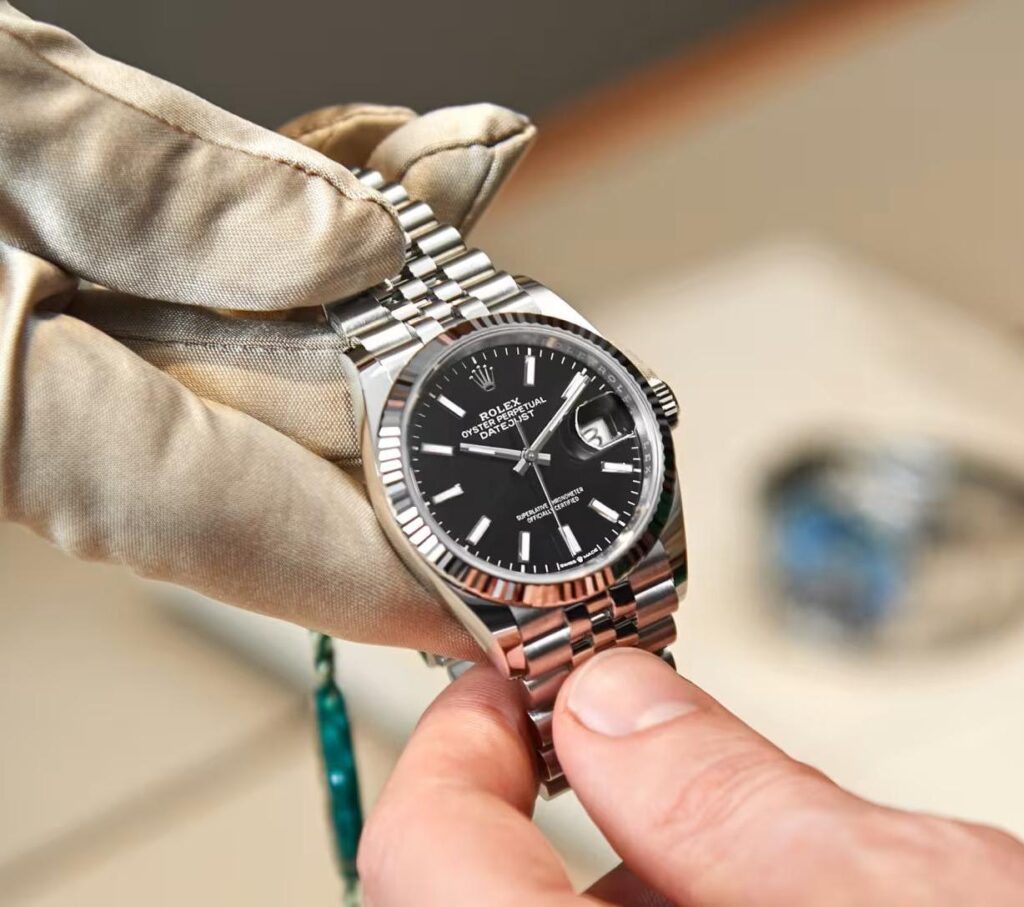
A luxury watch is more than a tool for telling time—it’s a masterpiece of engineering, a symbol of craftsmanship, and a long-term investment that can last for generations with the right care. Whether you own a Rolex Submariner, a Patek Philippe Calatrava, an Omega Speedmaster, or any other high-end timepiece, these precision instruments demand meticulous maintenance to preserve their performance, appearance, and value. In 2026, the luxury watch market is valued at over $33.56 billion, and collectors and enthusiasts alike understand that proper care is the key to keeping these timepieces in pristine condition for decades. From daily cleaning and routine upkeep to professional servicing and long-term preservation, every step of luxury watch maintenance plays a critical role in protecting your investment.
This comprehensive guide shares expert luxury watch maintenance tips, drawn from official brand guidelines, horological industry best practices, and real-world insights for caring for mechanical, automatic, and quartz luxury timepieces. We’ll cover essential daily and weekly care routines, how to protect your watch from environmental damage, the ins and outs of professional servicing, and brand-specific maintenance advice for the most iconic luxury watch brands. Whether you’re a first-time luxury watch owner or a seasoned collector with a curated portfolio, these tips will empower you to keep your timepieces running flawlessly and looking as good as new—ensuring they stand the test of time and retain their value for years to come.
Why Luxury Watch Maintenance Is Non-Negotiable
Luxury watches are built with the finest materials and most precise engineering in the world, but they are not indestructible. Daily wear exposes these timepieces to a host of environmental factors that can degrade their performance and appearance over time: sweat, salt, chlorine, dust, dirt, magnetism, extreme temperatures, and even accidental bumps or scratches. Neglecting maintenance can lead to a host of issues, from minor cosmetic damage to major mechanical failures that cost thousands of dollars to repair.
For mechanical and automatic luxury watches, the internal movement is a complex system of hundreds of tiny gears, springs, and jewels that rely on synthetic lubricants to run smoothly. Over time, these lubricants dry out, dust and dirt build up in the movement, and gaskets (the rubber seals that provide water resistance) wear out or crack. Without regular maintenance, this can cause accuracy drift, stiff crowns, lost water resistance, and even permanent movement damage. For quartz watches, while they require less frequent servicing, the battery will need replacement, and gaskets still need regular checks to maintain water resistance.
Beyond performance, proper maintenance preserves the aesthetic value of your luxury watch. A scratch-free crystal, polished case, and clean bracelet not only keep your watch looking its best but also boost its resale value—vintage and pre-owned luxury watches with well-documented maintenance histories fetch significantly higher prices on the secondary market. In fact, a luxury watch with a complete service record can be worth 20-50% more than a similar piece with no maintenance documentation, according to horological experts and pre-owned watch dealers.
Finally, luxury watch maintenance is an act of respect for the craftsmanship that goes into creating these timepieces. Every luxury watch is hand-assembled by skilled horologists, and proper care ensures that their work is preserved for years—turning a simple watch into a family heirloom that can be passed down from one generation to the next.
Essential Tools for At-Home Luxury Watch Maintenance
You don’t need a professional horologist’s workshop to perform basic luxury watch maintenance at home—you just need a few high-quality, watch-safe tools that protect your timepiece from scratches and damage while keeping it clean and functional. These tools are affordable, easy to find, and essential for daily and weekly care routines. Never use household cleaners, abrasive materials, or sharp tools on your luxury watch, as these can scratch the case, damage the crystal, or ruin the finish.
Here’s a curated list of must-have tools for at-home luxury watch maintenance, all approved by top luxury watch brands like Rolex, Omega, and Patek Philippe:
- Lint-free microfiber cloths: The most important tool for luxury watch care. Microfiber cloths are soft, non-abrasive, and perfect for wiping down the case, crystal, and bracelet to remove sweat, dust, and fingerprints without scratching the finish. Keep a few on hand—one for daily use, one for deeper cleans, and one for polishing.
- Soft nylon brush (or child’s toothbrush): A small, soft-bristled brush is ideal for cleaning hard-to-reach areas, like the gaps between bracelet links, the lugs, the crown, and the bezel. Avoid hard-bristled brushes (like metal or stiff plastic), which can scratch the watch’s finish.
- Mild, ammonia-free soap: For deep cleans, use a gentle, pH-neutral soap with no ammonia, bleach, or harsh chemicals. Ammonia and acidic cleaners can damage the watch’s metal finish, fade leather straps, and degrade rubber gaskets that provide water resistance.
- Watch demagnetizer: A small, portable demagnetizer is essential for mechanical and automatic watches, which can become magnetized from exposure to phones, speakers, refrigerators, and other electronic devices. Magnetism causes the balance spring to stick, leading to accuracy drift and poor performance.
- Pearl-cotton swabs (or wooden toothpicks): Perfect for detail cleaning around the crown, pushers (on chronographs), and bezel insert. Pearl-cotton swabs are soft and won’t scratch delicate areas, while wooden toothpicks can be used to gently remove dirt from tight gaps (never use metal toothpicks).
- Warm water bowl (and a small funnel): For rinsing your watch after a deep clean or exposure to saltwater/chlorine. Use only lukewarm water—hot water can damage the watch’s gaskets and lubricants.
- Watch stand or winder (for automatic watches): A watch stand keeps your watch safe when not in use, while an automatic winder keeps the movement running and distributes lubricants evenly, preventing oil from settling and drying out.
- Case opener (for advanced users only): If you have experience with watch repair, a quality case opener can be used to check the battery (for quartz watches) or inspect the movement, but never attempt to open the caseback of a luxury watch if you’re not a trained horologist—this can void the warranty and cause permanent damage.
For leather or rubber straps, add a leather conditioner (for leather straps) and a rubber cleaner (for rubber/silicone straps) to your toolkit—these products keep straps soft, supple, and free from cracking or fading.
Daily & Weekly Luxury Watch Care Routines: Keep It Clean and Functional
The best way to maintain a luxury watch is to establish simple, consistent daily and weekly care routines that prevent dirt, dust, and grime from building up and protect the watch from minor damage. These routines take just a few minutes each day/week and go a long way in preserving your timepiece’s performance and appearance. The steps vary slightly for metal bracelets, leather straps, and rubber straps, but the core principles remain the same for all luxury watches.
Daily Care Routine (2-3 minutes)
Perform these steps every time you take off your watch to remove surface dirt, sweat, and fingerprints—this is the single most effective way to prevent buildup and keep your watch looking pristine.
- Wipe down the entire watch: Use a dry, lint-free microfiber cloth to gently wipe the case, crystal, bezel, and bracelet/strap. For the crystal, use a circular motion to remove fingerprints and smudges; for the case and bracelet, wipe in the direction of the finish (brushed or polished) to avoid scratching.
- Check for loose components: Do a quick visual check to ensure the crown is screwed down tightly (for water-resistant watches), the bezel is secure (for dive/sports watches), and the bracelet/strap clasp is closed properly. A loose crown is a major cause of water damage, so always ensure it’s fully screwed down or pushed in (depending on the watch model).
- Store it safely: Place your watch on a soft watch stand or in its original box when not in use. Avoid leaving it on hard surfaces (like a countertop or nightstand), where it can be knocked over or scratched, and keep it away from electronic devices (to prevent magnetism) and direct sunlight (to prevent fading of straps or dials).
For automatic watches, if you don’t wear it every day, give it a few gentle winds (30-40 turns) once a day to keep the movement running and lubricants distributed—this prevents the mainspring from fully unwinding and the oil from settling.
Weekly Care Routine (5-10 minutes)
Once a week, perform a deeper clean to remove dirt and grime that builds up in hard-to-reach areas, like bracelet links and lugs. This routine is critical for watches worn daily, as sweat and skin oils can corrode metal over time if left uncleaned.
- Prepare a cleaning solution: Fill a small bowl with lukewarm water and add a drop of mild, ammonia-free soap. Stir gently to create a light lather—never use too much soap, as excess soap can get stuck in gaps and be hard to rinse out.
- Remove the bracelet (if possible): For watches with metal bracelets, remove the bracelet from the case using a spring bar tool (if you’re comfortable) to clean both the bracelet and the lugs thoroughly. If you’re not sure how to remove the bracelet, skip this step and clean it while attached to the case.
- Scrub gently: Dip the soft nylon brush in the soapy water and gently scrub the bracelet links, lugs, crown, and bezel. Use circular motions for the bracelet links to remove dirt from between them, and light, gentle strokes for the case and bezel to avoid scratching. For detail areas (like the crown or pushers), use a pearl-cotton swab dipped in soapy water.
- Rinse thoroughly: Rinse the watch (and bracelet, if removed) under a gentle stream of lukewarm water to remove all soap residue. For the case, hold it with the crown facing down to prevent water from seeping in, and rotate the bezel (for dive/sports watches) to flush out any soap from the bezel insert.
- Dry immediately and completely: Pat the watch and bracelet dry with a clean, dry microfiber cloth—never air-dry a luxury watch, as water spots can form on the crystal and case. For hard-to-reach areas (like bracelet links), use the cloth to press and absorb water, then gently wipe the links to ensure they’re fully dry.
- Polish (optional): For polished metal cases and bracelets, use a dedicated metal polish cloth (made for jewelry/luxury watches) to add a shine—use light, gentle strokes and avoid over-polishing, which can thin the metal over time.
- Demagnetize (for mechanical/automatic watches): Once a week, pass the watch through a portable demagnetizer 2-3 times to remove any magnetism that may have built up from daily exposure to electronics. This takes just 10 seconds and ensures the watch keeps accurate time.
Note for leather/rubber straps: Do not submerge leather straps in water—instead, wipe them with a damp microfiber cloth (no soap) and let them air-dry away from direct sunlight or heat. For rubber straps, you can clean them with the soapy water solution, rinse, and dry as usual.
Protecting Your Luxury Watch from Environmental Damage
Even with consistent daily and weekly care, your luxury watch is vulnerable to damage from environmental factors that can cause cosmetic and mechanical harm. The key to long-term preservation is to avoid these hazards whenever possible and take quick action to clean and protect your watch if it is exposed. Below are the most common environmental threats to luxury watches and how to protect against them:
1. Water, Saltwater, and Chlorine
Most luxury sports and dive watches (like the Rolex Submariner, Omega Seamaster, and Tag Heuer Aquaracer) are water-resistant to 100m, 300m, or more, but water resistance is not permanent—it relies on gaskets that wear out over time. Additionally, water resistance does not mean water invincibility: even dive watches can be damaged by saltwater, chlorine, and sudden temperature changes.
- Always rinse after water exposure: If you wear your watch in the ocean, a pool, or even the shower, rinse it immediately with fresh lukewarm water to remove salt, chlorine, and other chemicals that can corrode metal and degrade gaskets.
- Check the crown before water exposure: Ensure the crown is fully screwed down (for screw-down crowns) or pushed in (for push-pull crowns) before getting the watch wet—this is the single most important step to prevent water damage.
- Avoid hot water and steam: Never wear your luxury watch in a hot tub, sauna, or steam room—hot water and steam can expand the watch’s gaskets, allowing water to seep in and damage the movement. Extreme temperature changes can also cause condensation inside the watch.
2. Magnetism
Mechanical and automatic luxury watches are highly sensitive to magnetism, which is one of the most common causes of accuracy drift. Everyday electronic devices—phones, speakers, laptops, refrigerators, and even credit card readers—emit magnetic fields that can magnetize the watch’s balance spring, causing it to stick and the watch to gain or lose time.
- Keep your watch away from electronics: Store your watch at least 6 inches away from electronic devices, and avoid placing it on top of a phone, laptop, or speaker.
- Demagnetize regularly: As mentioned earlier, demagnetize your mechanical/automatic watch at least once a week with a portable demagnetizer. If you notice your watch is losing/gaining more than a few seconds a day, it’s likely magnetized—demagnetize it immediately.
- Get a professional demagnetization: If at-home demagnetization doesn’t fix the accuracy issue, take the watch to a professional horologist for a full demagnetization and timegrapher test.
3. Extreme Temperatures
Luxury watches are designed to operate in a normal temperature range (typically 0°C to 40°C / 32°F to 104°F), but extreme hot or cold temperatures can damage both the movement and the materials. High temperatures can cause lubricants to thin and evaporate, while low temperatures can cause lubricants to thicken, leading to poor performance. Extreme temperatures can also cause the watch’s case to expand and contract, damaging gaskets and leading to lost water resistance.
- Avoid leaving your watch in direct sunlight: Do not leave your watch in a car on a hot day, on a windowsill, or in any other place where it will be exposed to direct sunlight for long periods—this can fade the dial, strap, and bezel insert, and damage the movement.
- Protect from cold weather: In extremely cold weather, wear your watch under a sleeve to keep it at a normal temperature—avoid leaving it outside or in a cold car for long periods.
- Allow the watch to acclimate: If your watch is exposed to an extreme temperature, let it acclimate to room temperature slowly before wearing or cleaning it—sudden temperature changes can cause condensation inside the watch.
4. Scratches, Bumps, and Impacts
Luxury watches are made with hard materials (sapphire crystal, 904L steel, ceramic), but they are not scratch-proof or shatter-proof. Sapphire crystal is scratch-resistant (rated 9 on the Mohs scale), but it can chip or shatter from a hard impact, and ceramic bezels can crack if hit against a hard surface. Even minor bumps can damage the internal movement, leading to accuracy issues or mechanical failure.
- Wear your watch with care: Avoid wearing your luxury watch during activities that involve heavy lifting, manual labor, or contact sports—these activities increase the risk of bumps, impacts, and scratches. If you want a watch for active wear, consider a dedicated sports watch with a rubber strap and scratch-resistant bezel.
- Store it in a protective case: When not in use, store your watch in its original box or a padded watch roll to protect it from scratches and bumps. Avoid placing multiple watches in the same box without padding, as they can scratch each other.
- Repair scratches immediately: Minor scratches on the crystal or case can be polished out by a professional horologist—delaying repair can lead to deeper scratches that are harder (and more expensive) to fix.
5. Sweat, Oils, and Dirt
Daily wear exposes your luxury watch to sweat, skin oils, dust, and dirt, which can build up on the case, bracelet, and lugs over time. If left uncleaned, these substances can corrode metal, fade leather straps, and even seep into the watch’s movement, causing damage.
- Stick to the daily/weekly cleaning routines: Consistent cleaning is the best way to prevent sweat and dirt buildup—never skip these steps for daily-worn watches.
- Remove the watch during physical activity: If you’re working out, hiking, or doing any activity that causes heavy sweating, remove your watch to avoid excessive sweat buildup on the case and bracelet.
- Clean leather straps regularly: Sweat and oils can cause leather straps to crack and fade—wipe them with a damp microfiber cloth after each wear and condition them every 1-2 months with a leather conditioner made for luxury watch straps.
Professional Luxury Watch Servicing: When, What, and Why
At-home maintenance is essential for day-to-day care, but every luxury watch requires professional servicing at regular intervals to keep the movement running flawlessly and maintain water resistance. Professional servicing is performed by trained horologists at authorized brand service centers or reputable independent watch repair shops, and it involves a complete disassembly, cleaning, lubrication, and recalibration of the watch’s movement—this is not a job for at-home enthusiasts, even those with experience.
When to Service Your Luxury Watch
The frequency of professional servicing depends on the type of watch (mechanical/automatic vs. quartz) and how often it’s worn, but top luxury watch brands have clear guidelines for their timepieces. As a general rule:
- Mechanical/Automatic Watches: Service every 7-10 years for normal wear; every 5 years for daily wear, active wear, or wear in warm/humid climates. Rolex, Omega, and Patek Philippe all recommend a full service every 10 years for their mechanical/automatic watches, with 5-year inspections for heavily worn pieces.
- Quartz Watches: Service every 10-15 years, or when the battery needs replacement (typically every 2-5 years). While quartz watches have fewer moving parts, they still require gasket replacement and water resistance testing at regular intervals to prevent damage.
In addition to regular servicing, you should take your luxury watch to a professional immediately if you notice any of these warning signs:
- The watch is gaining or losing more than a few seconds/minutes a day (for mechanical/automatic) or minutes/hours a day (for quartz).
- The crown is stiff, loose, or won’t screw down properly.
- Condensation or fogging appears inside the crystal (a sign of lost water resistance and water damage).
- The bezel is loose, won’t rotate, or grinds when rotated.
- The watch makes unusual noises (grinding, rattling, or ticking loudly).
- Any part of the watch (hands, date window, chronograph) is not functioning properly.
- Scratches, chips, or cracks on the crystal or case that cannot be fixed with at-home care.
What Happens During a Professional Luxury Watch Service?
A full professional service for a luxury watch is a meticulous process that takes anywhere from 2-6 weeks (depending on the brand and model) and involves dozens of steps to restore the watch to its original factory specifications. Authorized brand service centers use only genuine OEM parts and follow the brand’s exact guidelines, while reputable independent shops use high-quality replacement parts and adhere to horological industry standards. Here’s a breakdown of what to expect during a full luxury watch service:
- Initial Inspection and Evaluation: The horologist performs a full inspection of the watch, including a timegrapher test (for mechanical/automatic watches) to check accuracy, a water resistance test (per ISO-22810 standards), and a cosmetic evaluation. They will provide a quote for the service and any necessary repairs/replacements (e.g., gasket replacement, crystal repair, part replacement).
- Complete Disassembly: The watch is disassembled piece by piece, from the caseback and movement to the smallest gears and jewels. Every component is labeled to ensure proper reassembly.
- Ultrasonic Cleaning: All metal components (case, bracelet, movement parts) are cleaned in an ultrasonic cleaner with a special watch-safe solution to remove dirt, dust, and old lubricants. Delicate parts (like jewels and springs) are cleaned by hand to avoid damage.
- Part Inspection and Replacement: Every component is inspected for wear, damage, or corrosion. Worn or damaged parts (e.g., gaskets, springs, jewels) are replaced with genuine OEM parts (at authorized centers) or high-quality replacement parts (at independent shops). Gaskets are always replaced during a full service to restore water resistance.
- Movement Lubrication: The movement is reassembled by hand, and every moving part is lubricated with brand-specific synthetic watch lubricants. Lubrication is critical for reducing friction and ensuring the movement runs smoothly and accurately for years.
- Calibration and Regulation: The movement is calibrated and regulated to meet the brand’s accuracy standards (e.g., Rolex’s Superlative Chronometer standard of -2/+2 seconds per day). For mechanical/automatic watches, this involves adjusting the balance spring and other components to ensure perfect timekeeping.
- Case and Bracelet Refinishing: The case and bracelet are refinished to restore their original finish (brushed, polished, or a combination). Minor scratches are polished out, and the case is cleaned and buffed to a like-new shine. The bezel insert and crystal are also cleaned and inspected for damage.
- Water Resistance Testing: The watch is reassembled, and a series of water resistance tests are performed (including a pressure test and a condensation test) to ensure it meets the brand’s original water resistance rating. The crown, caseback, and bezel are all checked for a tight seal.
- Final Quality Control: The watch is tested for accuracy over several days (typically 3-7 days) to ensure it runs flawlessly. The horologist performs a final cosmetic inspection, and the watch is packaged and returned to the owner with a service record and warranty for the work performed.
Most professional watch services come with a 1-2 year warranty for the work performed, covering any issues with the service or replacement parts. Authorized brand service centers often offer longer warranties (2-5 years) for their work.
How Much Does Professional Luxury Watch Servicing Cost?
The cost of professional luxury watch servicing varies widely based on the brand, model, complexity of the movement, and any necessary repairs/replacements. In 2026, the average cost of a full service for a basic luxury mechanical watch (like a Rolex Datejust or Omega Seamaster) is $800-$2,800. For more complex models with complications (chronographs, GMT, perpetual calendars, moon phases), the cost can be $3,000-$10,000 or more. Quartz watch servicing is significantly cheaper, ranging from $200-$500 for a basic service and battery replacement.
While professional servicing is an investment, it is far cheaper than repairing a watch with permanent movement damage from neglect. A well-serviced luxury watch can last for decades, making the cost of servicing a small price to pay for long-term preservation.
Brand-Specific Luxury Watch Maintenance Tips
While the core maintenance principles apply to all luxury watches, different brands have unique design features and materials that require specific care. Below are brand-specific maintenance tips for the most iconic luxury watch brands, drawn from their official care guidelines and industry expertise:
Rolex Maintenance Tips
Rolex watches are built with 904L Oystersteel (a corrosion-resistant alloy), sapphire crystal, and ceramic bezels (on most modern models), making them some of the most durable luxury watches on the market. They are designed for daily wear and even active use, but they still require specific care to preserve their performance and appearance.
- Always screw down the Triplock/Twinlock crown fully to maintain water resistance—this is the most important Rolex maintenance tip.
- Clean the Oyster bracelet regularly (weekly) to remove dirt from between the solid end-links, which can trap sweat and oil.
- Do not polish a Rolex watch too often—over-polishing can thin the 904L steel case and reduce its value, especially for vintage models.
- Rolex recommends a full service every 10 years at an authorized Rolex Service Center, which uses only genuine Rolex parts and provides a 5-year warranty for the work.
- For Rolex watches with Chromalight lume (post-2008 models), avoid exposing the lume to direct sunlight for long periods, as this can cause it to fade over time.
Omega Maintenance Tips
Omega watches are known for their Co-Axial movements and durable materials (316L steel, ceramic bezels, and sapphire crystal). Omega’s Seamaster line is one of the most popular dive watches in the world, and it requires specific care to maintain its 300m water resistance.
- For Omega Seamaster models with a helium escape valve, ensure the valve is closed at all times (except for professional diving) to maintain water resistance.
- Clean the ceramic bezel insert regularly to remove dirt from the engravings—use a soft brush and lukewarm water, and avoid harsh cleaners that can fade the ceramic.
- Omega’s Co-Axial movements require less frequent lubrication than traditional movements, but they still need a full service every 10 years at an authorized Omega Service Center.
- For Omega Speedmaster models (the Moonwatch), avoid exposing the chronograph pushers to excessive force, as this can damage the internal seals and lead to lost water resistance.
Patek Philippe Maintenance Tips
Patek Philippe watches are some of the most exclusive and complex luxury watches in the world, with intricate complications and handcrafted details. They are designed for formal wear and require gentle care to preserve their delicate engineering and aesthetic value.
- Never wear a Patek Philippe watch during physical activity or active wear—these watches are not designed for rough use and can be damaged by bumps or impacts.
- Clean the case and bracelet with a dry microfiber cloth only—avoid water and soap for Patek Philippe’s rose gold and white gold models, as these metals can tarnish if exposed to harsh cleaners.
- Patek Philippe recommends a full service every 7-10 years at an authorized Patek Philippe Service Center, which is the only place to get genuine Patek Philippe parts and expert care for their complex movements.
- Store Patek Philippe watches in their original box with the dust cover closed to protect the dial and case from dust and sunlight.
Cartier Maintenance Tips
Cartier watches are known for their elegant design, sapphire cabochon crowns, and Roman numeral dials. They use a mix of materials (18k gold, steel, leather, and sapphire), and their delicate design requires gentle care.
- Clean the sapphire cabochon crown with a dry microfiber cloth—never use water or soap, as this can damage the setting.
- For Cartier watches with leather straps (e.g., Ballon Bleu, Tank), condition the strap every 1-2 months to prevent cracking and fading, and avoid wearing the strap in water.
- Cartier’s steel models use 316L steel, which is less corrosion-resistant than Rolex’s 904L steel—clean the bracelet weekly to prevent sweat and oil buildup.
- Take your Cartier watch to an authorized Cartier Service Center for servicing, as they have the expertise to repair the brand’s unique design features (like the Ballon Bleu’s crown guard).
Long-Term Luxury Watch Preservation: Turning a Watch into a Heirloom
For many luxury watch owners, the goal is to turn their timepiece into a family heirloom that can be passed down from one generation to the next. Long-term preservation requires more than just regular maintenance—it involves careful storage, documentation, and protection from damage over decades. Below are expert tips for long-term luxury watch preservation:
- Document everything: Keep all original paperwork (warranty card, instruction manual, box), service records, receipts, and photos of the watch in a safe place (like a fireproof safe or safety deposit box). A complete paper trail significantly boosts the watch’s resale value and proves its provenance for future generations.
- Store the watch in a climate-controlled environment: For long-term storage (6 months or more), store the watch in a cool, dry, climate-controlled environment (60-70°F / 15-21°C, 40-50% humidity). Avoid basements, attics, or other areas with extreme temperature or humidity changes, which can damage the movement and materials.
- Use an automatic winder for automatic watches: If storing an automatic watch for long periods, use a high-quality automatic winder to keep the movement running and lubricants distributed. Set the winder to the brand’s recommended rotation speed (typically 650-800 rotations per day, bi-directional).
- Remove the battery from quartz watches for long-term storage: If storing a quartz watch for more than a year, have a professional remove the battery to prevent battery leakage, which can corrode the movement and cause permanent damage.
- Handle the watch with clean hands: Always handle your luxury watch with clean, dry hands to avoid transferring oil, dirt, or fingerprints to the case and crystal. Avoid touching the dial or movement with your fingers, as skin oils can damage delicate parts.
- Inspect the watch regularly: Even if the watch is in long-term storage, inspect it every 3-6 months for signs of damage (condensation, scratches, loose components) and to ensure it’s running properly (for automatic watches on a winder).
- Avoid over-polishing: As mentioned earlier, over-polishing thin the metal case and reduce the watch’s value—only polish the watch when necessary, and always have it done by a professional horologist.
Final Thoughts: Luxury Watch Maintenance Is a Labor of Love
Caring for a luxury watch is more than just a chore—it’s a labor of love that reflects your appreciation for the craftsmanship, engineering, and artistry that goes into creating these timepieces. A well-maintained luxury watch is not just a functional tool or a status symbol; it’s a piece of history that can be enjoyed for decades and passed down to your children and grandchildren as a family heirloom.
By establishing simple daily and weekly care routines, protecting your watch from environmental damage, scheduling regular professional servicing, and following brand-specific maintenance tips, you can keep your luxury timepiece in pristine condition for a lifetime. Remember, every step of luxury watch maintenance is an investment in your watch’s performance, appearance, and value—an investment that pays off every time you check the time and see a flawless, perfectly running watch on your wrist.
Whether you own a single luxury watch or a curated collection, the tips in this guide will help you care for your timepieces with confidence and expertise. Your luxury watch deserves the best care possible, and with these maintenance tips, you’ll ensure it stands the test of time for generations to come.
Leave a Reply