
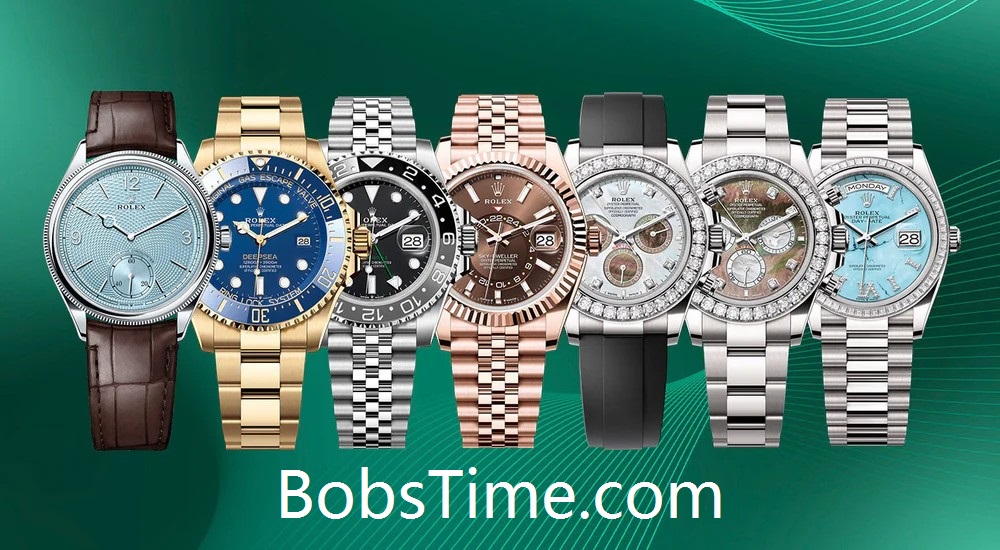
Investing in a pre-owned Rolexes are far more than a simple purchase of a luxury timepiece—it is a strategic financial decision, a foray into horological history, and an acquisition of a status symbol that has stood the test of time. Rolex watches are renowned worldwide for their unparalleled craftsmanship, enduring quality, and remarkable ability to hold or even increase in value over decades, making the pre-owned market a thriving space for collectors, first-time buyers, and savvy investors alike. Unlike buying a brand-new Rolex from an authorized dealer, which often involves lengthy waitlists for popular models and a premium retail price, the pre-owned market offers immediate access, significant savings, and the chance to own rare, discontinued pieces that are no longer in production. However, navigating this market is not without its challenges: counterfeits flood the secondary market, varying conditions impact value drastically, and the reputation of sellers can make or break the entire experience.
To ensure that your investment in a pre-owned Rolex is a sound one—one that retains its value, functions flawlessly, and brings long-term satisfaction—it is essential to approach the process with meticulous attention to detail and a clear understanding of the key factors that define a watch’s worth. After extensive research into the pre-owned luxury watch market, consulting with veteran jewelers and watch experts, and analyzing the insights from leading marketplaces and reputable dealers, we have identified the top 7 non-negotiable considerations for anyone looking to invest in a pre-owned Rolex. These factors cover every critical aspect of the purchase, from verifying the watch’s authenticity to assessing its market demand, and serve as a comprehensive guide for both novice buyers and seasoned collectors. Whether you are eyeing a classic Submariner, a timeless Datejust, a coveted Daytona, or a vintage GMT-Master, these principles will help you avoid common pitfalls, spot red flags, and select a pre-owned Rolex that is not just a beautiful timepiece, but a valuable investment that will stand the test of time.
In this guide, we will dive deep into each of these seven considerations, exploring what to look for, what to avoid, and expert tips to make your pre-owned Rolex purchase a success. We will draw on insights from renowned jewelers like Gray & Sons Jewelers and The Castle Jewelry, as well as leading luxury watch marketplaces such as Chrono24, to provide you with actionable, real-world advice that you can apply directly to your search. By the end of this article, you will have all the knowledge you need to confidently navigate the pre-owned Rolex market, make an informed decision, and invest in a timepiece that will bring you joy and financial value for years to come.
1. Authenticity and Provenance: The Foundation of Any Rolex Investment
Authenticity is the single most critical factor when investing in a pre-owned Rolex—without it, your purchase is not just a bad investment, but a total loss. The global market for counterfeit Rolex watches is vast and sophisticated, with fake timepieces becoming increasingly difficult to distinguish from the real thing, even for casual collectors. Counterfeiters replicate every detail, from the dial and hands to the serial numbers and engravings, making expert verification a necessity for anyone looking to buy a pre-owned Rolex. Beyond just confirming that the watch is genuine, assessing its provenance—its history of ownership, production era, and any notable details about its origin—adds layers of value and ensures that you are not purchasing a stolen or tampered piece.
So, what steps should you take to verify a pre-owned Rolex’s authenticity? Start with the serial and model numbers, which are engraved between the lugs (the metal pieces that connect the case to the bracelet) on every genuine Rolex. These numbers are unique to each watch and correspond to its production year and model, and they should be crisp, deep, and evenly engraved—counterfeit watches often have shallow, blurry, or misaligned numbers. Cross-referencing these numbers with Rolex’s production records (or using reputable online databases) will confirm that the watch matches its stated era and model, a key check against tampering or misrepresentation.
Next, examine the watch’s physical features for telltale signs of authenticity. Genuine Rolex watches feature a smooth, sweeping second hand—unlike cheap quartz watches that tick, a Rolex’s mechanical movement creates a continuous glide across the dial. The dial itself should have crisp, clear printing and engravings, with no smudges, misaligned text, or faded logos; the Cyclops lens (the magnifying glass over the date window) should provide a precise 2.5x magnification, a detail counterfeiters often get wrong. A genuine Rolex also has a distinct weight and quality feel: the case and bracelet are made from high-grade stainless steel, 18k gold, or platinum, and they feel solid and substantial in the hand—fake Rolexes are often lightweight or made from cheap, flimsy metals.
Other physical checks include inspecting the crown (it should screw down tightly and operate smoothly, with the Rolex coronet engraved clearly), the bezel (it should rotate smoothly with no play, and the markings should be sharp and durable), and the crystal (genuine Rolexes use scratch-resistant sapphire crystal, which is far more durable than the glass or plastic used in counterfeits). For vintage Rolexes, pay attention to period-correct details: for example, a 1950s Submariner should have a specific dial design and handset that matches Rolex’s production for that era—any anachronistic parts are a red flag for a fake or a heavily modified watch.
Provenance is equally important to authenticity, especially for vintage or high-value Rolexes. A watch with a clear provenance—such as original ownership documents, a history of being sold by reputable dealers, or even a notable previous owner—can significantly increase its value and desirability among collectors. Ask the seller for any documentation that traces the watch’s history, and be wary of pieces with no provenance or vague explanations of their origin. Additionally, check if the watch has been reported stolen by using databases like the Watch Register, which tracks lost and stolen luxury timepieces—this simple step can save you from purchasing a stolen watch and facing legal consequences.
For peace of mind, always have a pre-owned Rolex authenticated by a certified, independent watch expert or a reputable jeweler with experience in Rolex timepieces. Many leading dealers, such as The Castle Jewelry and Gray & Sons Jewelers, offer rigorous in-house authentication, and marketplaces like Chrono24 provide a Certified Service and Authenticity Guarantee that verifies the watch’s genuineness before purchase. Never rely on the seller’s word alone for authenticity—always get a third-party verification, and ask for a certificate of authenticity to document the watch’s genuine status. This certificate will not only give you confidence in your purchase but also increase the watch’s resale value down the line.
In short, authenticity and provenance are non-negotiable. A fake Rolex has no value, and a genuine Rolex with a murky history is a risky investment. By taking the time to verify every detail, cross-reference numbers, and get expert authentication, you lay the foundation for a successful pre-owned Rolex investment.
2. Reputation of the Seller: Trust Is Everything in the Pre-Owned Market
Once you have confirmed that a pre-owned Rolex is genuine, the next critical consideration is the reputation of the seller. The pre-owned luxury watch market is a mix of reputable professional dealers, established marketplaces, and unknown private sellers, and the difference between a positive purchase experience and a nightmare often comes down to who you buy from. A reputable seller will not only provide a genuine, high-quality watch but also offer transparent information, a fair return policy, and post-purchase support—while a shady seller may misrepresent the watch’s condition, sell a counterfeit, or refuse to address issues after the sale.
First and foremost, avoid unknown private sellers unless you have a personal connection or can verify their credibility beyond a doubt. Private sellers on social media, classified ads, or unregulated websites often lack accountability, and there is little to no recourse if the watch is fake, damaged, or misrepresented. While private sellers may offer lower prices, the risk far outweighs the potential savings—especially for a high-value investment like a Rolex. Instead, opt for professional, established dealers with a long track record in the luxury watch industry, or reputable online marketplaces that offer buyer protection and authentication services.
When evaluating a dealer’s reputation, start by checking their online reviews and testimonials on independent platforms like Google, Yelp, or Trustpilot. Look for consistent positive feedback about the authenticity of their watches, the accuracy of their condition descriptions, and their customer service—red flags include numerous complaints about counterfeits, misrepresentation, or poor communication. A reputable dealer will have a strong online presence with a professional website, clear contact information, and detailed descriptions of their watches, including high-quality photos and videos that show every detail of the timepiece.
Next, check the dealer’s policies—transparency is a hallmark of a trustworthy seller. A good dealer will offer a clear, fair return policy (ideally 7–14 days for returns or exchanges) with no hidden fees or strict conditions, allowing you to inspect the watch in person and return it if it does not meet your expectations. They should also offer a warranty or guarantee on the watch’s functionality, typically 6 months to 2 years for pre-owned Rolexes, and be upfront about any known issues with the timepiece. Avoid dealers with no return policy, vague warranty terms, or who refuse to answer questions about the watch’s condition or history.
Another key sign of a reputable seller is their expertise and knowledge of Rolex watches. A professional dealer will be able to answer detailed questions about the watch’s model, production year, service history, and market value, and they will provide you with all the information you need to make an informed decision. They will also be transparent about any modifications or repairs the watch has undergone, and they will have documentation to back up their claims—unlike a seller who gives vague or inconsistent answers, or who cannot explain key details about the watch.
For online purchases, choose marketplaces that offer buyer protection and escrow services, such as Chrono24. Chrono24’s Buyer Protection program holds your payment in an escrow account until you receive and verify the watch, ensuring that you only pay if the timepiece matches the seller’s description. The platform also offers a Certified Program that verifies the authenticity and condition of pre-owned Rolexes, and it has a specialized quality and security team to assist with any issues during the transaction. Other reputable online dealers include authorized pre-owned Rolex sellers, who are vetted by Rolex and held to strict standards for authenticity and quality.
Local brick-and-mortar jewelers are also an excellent option for buying a pre-owned Rolex, as they allow you to inspect the watch in person and build a personal relationship with the seller. Established family-owned jewelers like The Castle Jewelry (with over 35 years of experience) and Gray & Sons Jewelers have built their reputation on trust and quality, and they offer in-house authentication, service, and support for their pre-owned Rolexes. Visiting a local dealer also gives you the chance to test the watch’s functionality, examine its condition up close, and ask the jeweler any questions you have—an experience that online shopping cannot replicate.
Finally, ask the seller for references if you are unsure about their credibility. A reputable dealer will be happy to provide contact information for previous customers who can vouch for their service and the quality of their watches. You can also check if the dealer is a member of professional organizations like the American Gem Society (AGS) or the Jewelers of America (JA), which require members to adhere to strict ethical and quality standards.
At the end of the day, buying a pre-owned Rolex is a trust-based transaction. By choosing a reputable seller with a proven track record, transparent policies, and expert knowledge, you eliminate most of the risk from the purchase and ensure that you are investing in a genuine, high-quality watch. The small premium you may pay for a watch from a reputable dealer is well worth the peace of mind, post-purchase support, and guarantee of authenticity.
3. Overall Condition and Wear: Condition Directly Impacts Value and Longevity
A pre-owned Rolex’s condition is one of the most significant drivers of its value—even a genuine, rare model will lose a substantial portion of its worth if it is in poor condition, with scratches, dents, water damage, or worn parts. Unlike mass-produced watches, Rolexes are built to last a lifetime with proper care, and minor surface wear is normal and expected for a pre-owned timepiece. However, significant damage or neglect can not only reduce the watch’s aesthetic appeal but also compromise its functionality and long-term durability. When assessing a pre-owned Rolex’s condition, it is essential to examine every part of the watch closely, from the case and crystal to the bracelet and movement, and to understand the difference between acceptable wear and damaging flaws.
Start your condition assessment with the case—the metal housing that protects the watch’s movement. The case should be free of deep scratches, dents, or gouges, and the edges and lines should be sharp and well-defined (for modern Rolexes) or period-correct (for vintage models). Minor surface scratches on the case are normal and can often be polished out by a professional watchmaker, but excessive polishing is a red flag: over-polishing removes material from the case, altering its original shape and reducing its value, especially for vintage Rolexes, which are prized for their original, unaltered condition. Check the case for signs of water damage, such as discoloration, rust, or corrosion inside the case back—water damage is one of the most destructive issues for a Rolex, as it can ruin the movement and lead to costly repairs.
Next, inspect the crystal—the clear cover over the dial. Genuine Rolexes use scratch-resistant sapphire crystal, which is extremely durable, but it can still chip or crack if the watch is dropped or hit. A chipped or cracked crystal not only impairs visibility but also exposes the dial and movement to dust, dirt, and water, so it is a flaw that needs to be addressed immediately. Minor scratches on the crystal are rare (thanks to sapphire’s hardness), but if present, they can often be polished out—avoid watches with deep scratches or cracks that cannot be repaired without replacing the crystal.
The dial and hands are the face of the watch, and their condition is critical for both aesthetic and collectible value. The dial should be free of fading, discoloration, or bubbling (a common sign of water damage), and the printing, engravings, and logos should be crisp and clear. The hands should be straight, unbent, and free of rust or corrosion, and they should align perfectly with the dial’s markings. For vintage Rolexes, original “patina” on the dial (a natural fading or discoloration over time) is highly desirable among collectors and can increase the watch’s value—however, artificial patina (created by counterfeiters or unskilled watchmakers) is a red flag and should be avoided. Check the date window (Cyclops lens) for clarity and proper magnification, and ensure that the date changes smoothly at midnight with no sticking or skipping.
The bracelet and clasp are often overlooked but are a key part of the watch’s condition and value—we will dive deeper into bracelet stretch in the seventh section of this guide, but a general condition check is essential here. The bracelet links should be tight and free of excessive wear, and the clasp should close securely and operate smoothly, with no loose or broken parts. The end links (the links that connect the bracelet to the case) should fit perfectly with no gaps, and the engravings on the clasp (such as the Rolex coronet) should be sharp and clear. Check the bracelet for signs of rust or corrosion, especially in the links and hinges, which can be a sign of water damage or neglect.
Other parts to inspect include the crown and bezel. The crown (the small knob on the side of the case) should screw down tightly to the case (a key feature of Rolex’s Oyster case, which provides water resistance) and operate smoothly when setting the time and date. The crown should have a clear, crisp engraving of the Rolex coronet, and it should not wobble or feel loose. The bezel (the rotating ring around the dial, common on sports models like the Submariner and GMT-Master) should rotate smoothly with no play or sticking, and the markings should be sharp and durable—faded or worn bezel markings are a sign of heavy use, and a misaligned bezel is a red flag for a tampered or poorly repaired watch.
Finally, test the watch’s functionality to ensure that it is working properly. Wind the watch (for manual winding models) or shake it (for automatic models) and check that the second hand starts sweeping smoothly immediately. Set the time and date and ensure that all functions work as intended, with no sticking or skipping. Let the watch run for 24–48 hours and check its accuracy: a genuine Rolex mechanical movement should be accurate to within a few seconds per day, and any significant time loss or gain is a sign that the watch needs servicing. If possible, ask the seller to demonstrate the watch’s water resistance (for sports models) or have it tested by a professional watchmaker—water resistance is not a permanent feature, and the watch’s gaskets (rubber seals) need to be replaced regularly to maintain it.
It is important to note that minor surface wear is normal and acceptable for a pre-owned Rolex, and many collectors prefer watches with “wear and tear” that tells a story—especially vintage models. What to avoid is significant, unrepairable damage or damage that compromises the watch’s functionality, such as water damage, a cracked crystal, a broken movement, or excessive polishing. A reputable seller will be transparent about the watch’s condition, pointing out any flaws and providing high-quality photos and videos that show every detail—if a seller’s photos are blurry, incomplete, or only show the watch from one angle, it is a red flag that they are hiding something.
When assessing condition, it is also helpful to understand the grading system used by the luxury watch industry to describe pre-owned timepieces. Watches are typically graded as “New Old Stock” (NOS, unused with original packaging), “Mint” (like new, no visible wear), “Excellent” (minor surface wear, no damage), “Very Good” (noticeable but acceptable wear), “Good” (significant wear but fully functional), and “Fair” (heavy wear and/or minor damage). The grade directly impacts the watch’s price, with NOS and Mint watches commanding the highest premiums, and Fair watches being the most affordable. By understanding this grading system, you can set realistic expectations for the watch’s condition and ensure that you are paying a fair price for what you are getting.
In summary, the condition of a pre-owned Rolex is inextricably linked to its value and longevity. By examining every part of the watch closely, testing its functionality, and understanding the difference between acceptable wear and damaging flaws, you can select a timepiece that not only looks great but also functions flawlessly and retains its value for years to come. If you are unsure about a watch’s condition, have it inspected by a professional watchmaker—their expert eye will spot flaws that you may miss, and they can provide you with a detailed condition report and an estimate of any necessary repairs.
4. Originality and Service History: Preserve the Watch’s Authenticity and Functionality
A pre-owned Rolex’s originality (whether all its parts are genuine Rolex components) and service history (a record of maintenance and repairs) are two closely linked factors that play a critical role in its value, collectibility, and long-term functionality. Rolex is renowned for its strict quality control and high-quality components, and a watch with all original parts is far more valuable than one with aftermarket or counterfeit replacements—even if the non-original parts are functional. A well-documented service history, meanwhile, ensures that the watch has been properly maintained, reducing the risk of breakdowns and extending its lifespan. For serious collectors and investors, originality and service history are non-negotiable—they are the mark of a well-cared-for Rolex that will retain its value and desirability.
Let’s start with originality—every genuine Rolex watch is built with parts that are designed and manufactured by Rolex to the highest standards, and any replacement part that is not a genuine Rolex component is a downgrade, both in quality and value. Aftermarket parts (made by third-party manufacturers) are often cheaper and lower quality than genuine Rolex parts, and they can compromise the watch’s functionality, water resistance, and aesthetic appeal. Counterfeit parts are even worse, as they are poorly made and can cause permanent damage to the watch’s movement. For vintage Rolexes, originality is even more critical: collectors prize “all original” (AO) or “numbers matching” watches, where every part is the one that the watch left the factory with, and any replacement parts can drastically reduce the watch’s collectible value.
When verifying a pre-owned Rolex’s originality, inspect every key part for genuine Rolex markings and quality. Genuine Rolex parts are marked with the Rolex coronet, model numbers, or other identifying marks—for example, the movement components are engraved with the Rolex logo, the bracelet links have small Rolex engravings, and the bezel insert has a crisp Rolex logo. Aftermarket or counterfeit parts often lack these markings, or the markings are blurry, misaligned, or incorrect. For hard-to-inspect parts like the movement, ask the seller for a movement report from a professional watchmaker, which will confirm that all movement components are genuine Rolex parts.
Key parts to verify for originality include:
- Dial and hands: The most visible parts of the watch, and often the first to be replaced or counterfeited. Check for crisp Rolex printing, period-correct designs, and genuine lume (the glowing material on the dial and hands)—vintage Rolex lume has a distinct appearance that is hard to replicate, and aftermarket lume is often too bright or fades quickly.
- Bezel and bezel insert: Genuine Rolex bezel inserts are made from high-quality ceramic, aluminum, or gold, with sharp, durable markings—aftermarket inserts often have faded markings or poor fit.
- Bracelet and links: Genuine Rolex bracelet links are made from high-grade metal with precise engravings, and the end links fit perfectly with the case—aftermarket bracelets are often flimsy with poor fit and finish.
- Movement: The “heart” of the watch, and the most important part to verify for originality. A genuine Rolex movement is a masterpiece of engineering, with tight tolerances and crisp engravings—aftermarket or counterfeit movements are poorly made and lack these details.
- Crown and tube: The crown tube (the metal sleeve that the crown fits into) is a critical part for water resistance, and a genuine Rolex crown and tube will fit tightly and seal properly—aftermarket crowns and tubes often leak, leading to water damage.
Ask the seller directly if any parts have been replaced, and request documentation to back up their answer—reputable sellers will be transparent about any replacements and will only use genuine Rolex parts for repairs. If a watch has had parts replaced, ensure that the replacements are genuine Rolex components and that the repair was performed by a certified Rolex watchmaker—this will minimize the impact on the watch’s value.
Equally important to originality is the watch’s service history. Rolex mechanical movements are precision instruments that require regular maintenance to function flawlessly—Rolex recommends servicing every 5–10 years, depending on the model and how often it is worn. A service involves disassembling the movement, cleaning and lubricating all components, replacing worn parts (such as gaskets, springs, and bearings), reassembling the movement, and testing its accuracy and water resistance. Without regular servicing, the movement’s components will wear out, leading to breakdowns, inaccurate timekeeping, and even permanent damage.
A well-documented service history is a valuable asset for a pre-owned Rolex, as it proves that the watch has been properly maintained and cared for. The service history should include records from authorized Rolex service centers or certified Rolex watchmakers, with details of when the service was performed, what parts were replaced (and if they were genuine Rolex parts), and the watch’s condition at the time of service. These records not only give you confidence in the watch’s functionality but also increase its resale value, as future buyers will know that the watch has been well-cared for.
When evaluating a pre-owned Rolex’s service history, ask the seller the following key questions:
- When was the watch last serviced?
- Who performed the service—an authorized Rolex service center or a certified Rolex watchmaker?
- Were any parts replaced during the service, and if so, were they genuine Rolex parts?
- Is there documentation (invoices, service records, certificates) to prove the service?
- Has the watch been serviced regularly throughout its lifetime, or is this the first service in many years?
If a watch has no service history, it is not necessarily a bad investment—but it is a risk. The watch may be in good working order, but it is impossible to know when it was last serviced or if it has any hidden issues with the movement. In this case, it is essential to have the watch inspected and serviced by a certified Rolex watchmaker before purchasing it—this will cost a few hundred dollars, but it is a worthwhile investment to ensure that the watch is functional and to establish a new service history.
For vintage Rolexes, the service history is a bit different: many older models have never been serviced (or have been serviced by non-Rolex watchmakers), and some collectors prefer to keep them in their “as-found” condition for historical value. However, even vintage Rolexes need servicing to function properly, and it is important to have them serviced by a watchmaker who specializes in vintage Rolexes—they will use period-correct parts and techniques to preserve the watch’s originality while ensuring its functionality.
In short, originality and service history are critical for a pre-owned Rolex investment. A watch with all genuine parts and a well-documented service history is not only more valuable and collectible but also more reliable, with a longer lifespan. By verifying the watch’s originality and asking for detailed service records, you ensure that you are investing in a well-cared-for Rolex that will function flawlessly and retain its value for years to come.
5. Box and Papers (Full Set): The Complete Package Boosts Resale Value Significantly
While a pre-owned Rolex’s functionality and authenticity do not depend on its original packaging and documentation, having a full set (original box, papers, warranty card, booklets, and any other original accessories) is a game-changer for its value and desirability—especially for modern, high-demand, or limited-run models. Collectors and investors prize full-set Rolexes because the packaging and documentation provide proof of the watch’s authenticity, provenance, and original ownership, and they complete the watch’s story. A full set can add 10–20% to a pre-owned Rolex’s resale value, and in some cases, even more for rare or vintage models—making it a critical consideration for anyone looking to invest in a pre-owned Rolex with long-term value retention in mind.
First, let’s define what a full set entails for a pre-owned Rolex. The exact contents vary slightly by production year and model, but a genuine full set typically includes:
- Original Rolex box: A high-quality box made from leather, wood, or cardboard, with the Rolex logo embossed or engraved on the outside and inside. The box should match the watch’s production era—for example, a 1990s Rolex will have a different box design than a 2020s Rolex—and it should be in good condition, with no significant damage, wear, or discoloration.
- Warranty card (guarantee card): The most important document in the set, the warranty card is issued by Rolex to the original owner and includes the watch’s serial number, model number, purchase date, and the name and address of the authorized dealer that sold it. The warranty card is proof of the watch’s genuine status and production details, and it is a key piece of provenance. For modern Rolexes (post-2010), the warranty card is a plastic card with a QR code, while older models have paper warranty cards.
- Instruction booklets: Original booklets with instructions for using the watch, information about Rolex’s warranty, and details about the watch’s features and functionality. The booklets should match the watch’s model and production era, with the Rolex logo and crisp printing.
- Hang tags: Small paper or plastic tags attached to the watch when it is sold, with the watch’s serial number, model number, and reference number. These tags are often lost over time, so their presence is a bonus for a full set.
- Other accessories: Depending on the model, a full set may also include a leather travel pouch, a cleaning cloth, a link remover tool (for the bracelet), or a certificate of authenticity from the authorized dealer.
The warranty card is the crown jewel of the full set, and it is the most important document for verifying the watch’s authenticity and provenance. The serial number and model number on the warranty card must match the numbers engraved between the watch’s lugs—any mismatch is a red flag for a fake or tampered watch. The purchase date on the warranty card also helps to confirm the watch’s production era, and the authorized dealer’s name and address provide a clear starting point for the watch’s provenance. For vintage Rolexes, older warranty cards (especially from the 1950s–1980s) are highly collectible in their own right, and a watch with a vintage warranty card in good condition can command a significant premium.
So, why does a full set add so much value to a pre-owned Rolex? There are three key reasons:
- Proof of authenticity: The packaging and documentation, especially the warranty card, provide concrete proof that the watch is a genuine Rolex, not a counterfeit. This is especially important for high-value models, as it gives buyers confidence in their purchase and eliminates the need for costly third-party authentication (in some cases).
- Provenance and history: The full set tells the watch’s story, from its original purchase by the first owner to its current condition. Collectors are drawn to watches with a clear history, and a full set provides a tangible link to the watch’s origin and ownership.
- Collectibility and completeness: A Rolex is more than just a watch—it is a piece of luxury goods, and the full set completes the package. Just like a rare book with its original dust jacket or a classic car with its original paperwork, a Rolex with its original box and papers is more collectible and desirable than one without, and it fetches a higher price in the secondary market.
It is important to note that a partial set (e.g., the box but no warranty card, or the warranty card but no box) still adds value to a pre-owned Rolex, just not as much as a full set. Even a single original document, like the warranty card, can increase the watch’s value by 5–10%, as it provides critical proof of authenticity and provenance. The only time the lack of a box and papers is not a significant issue is for very old vintage Rolexes (pre-1950s), where original packaging and documentation are extremely rare and often lost to time—collectors of these models are more focused on the watch’s originality and condition than on the set.
When evaluating a pre-owned Rolex’s box and papers, it is essential to verify their authenticity—just like the watch itself, counterfeiters produce fake boxes and papers to go with their fake timepieces. Genuine Rolex boxes are made from high-quality materials with precise craftsmanship, and the logos and engravings are crisp and clear—fake boxes are often made from cheap, flimsy materials with blurry logos and poor fit and finish. Genuine warranty cards have high-quality printing, embossed logos, and unique serial numbers that match the watch—fake warranty cards have smudged printing, incorrect logos, and serial numbers that do not match the watch’s lugs. A reputable seller will provide high-quality photos of the box and papers, and they will be able to verify that the documentation matches the watch’s serial and model numbers.
Another key consideration is the condition of the box and papers. A full set in mint condition (no wear, damage, or discoloration) will add more value than a set in poor condition (torn booklets, a damaged box, a faded warranty card). However, minor wear is normal and expected for pre-owned packaging and documentation, and collectors will still value a well-preserved set even with a few signs of age. What to avoid is a set that has been tampered with, such as a warranty card with altered serial numbers or a box that has been repainted or repaired—this is a red flag and can reduce the watch’s value significantly.
If you are considering a pre-owned Rolex without a box and papers, it is not necessarily a bad investment—but you should expect to pay a lower price for it, and you should take extra steps to verify its authenticity and condition. In this case, it is essential to have the watch authenticated by a third-party expert and to get a certificate of authenticity to document its genuine status. This certificate will help to offset the lack of original papers and will make the watch more marketable when you decide to resell it.
For investors, the takeaway is clear: always prioritize a pre-owned Rolex with a full set if possible. The small premium you pay for the full set will be more than recouped when you resell the watch, and the packaging and documentation will provide you with peace of mind and a more complete ownership experience. Even if you are not a collector and plan to wear the watch every day, the full set is a valuable asset that should not be overlooked.
6. Model Rarity and Market Demand: Invest in Rolexes That Hold and Increase in Value
One of the primary reasons people invest in pre-owned Rolexes is their remarkable ability to hold and even increase in value over time—but this is not true for every Rolex model. Some models are highly sought-after, with consistent market demand and rising prices, while others are less popular, with flat or declining values. To make a sound investment in a pre-owned Rolex, it is essential to research the model’s rarity and market demand, and to select a timepiece that has a proven track record of value retention (or appreciation). Rarity and demand go hand in hand: rare models (e.g., discontinued vintage pieces, limited-run editions) have high demand among collectors, while popular mass-produced models (e.g., sports models like the Submariner) have consistent demand among both collectors and everyday buyers—both types of models are excellent investment choices, as long as they are in good condition and genuine.
First, let’s explore the most in-demand pre-owned Rolex models—these models have consistent market demand, long waitlists at authorized dealers, and a proven track record of holding their value (and often appreciating). Unsurprisingly, stainless steel sports models are the most popular and valuable pre-owned Rolexes, as they combine Rolex’s legendary durability with a versatile, sporty design that appeals to a wide range of buyers. The top sports models include:
- Rolex Submariner: The most iconic Rolex model of all time, the Submariner is a dive watch with water resistance up to 300 meters, a rotating bezel, and a sleek, sporty design. The stainless steel Submariner (ref. 116610LN, ref. 124060) is the most in-demand pre-owned Rolex, with consistent price appreciation and long waitlists at authorized dealers. Vintage Submariners (e.g., ref. 5513, ref. 6538) are also highly collectible, with rare models fetching six or seven figures at auction.
- Rolex Daytona: A chronograph watch designed for racing, the Daytona is one of the most coveted Rolex models in the world. The stainless steel Daytona (ref. 116500LN) has a cult following, with prices soaring in the pre-owned market—so much so that it is often called the “Holy Grail” of Rolexes. Vintage Daytonas, especially those worn by celebrities (e.g., Paul Newman’s Daytona), are some of the most expensive watches ever sold at auction.
- Rolex GMT-Master II: A dual-time zone watch designed for pilots and frequent travelers, the GMT-Master II is known for its iconic bi-color bezel (e.g., the “Pepsi” blue/red bezel, the “Batman” black/blue bezel). The stainless steel GMT-Master II is highly in-demand, with consistent value retention and a versatile design that works for both casual and formal wear.
- Rolex Sea-Dweller: A professional dive watch with water resistance up to 1,220 meters (for the standard model) or 3,900 meters (for the Deepsea model), the Sea-Dweller is a favorite among divers and watch enthusiasts. The stainless steel Sea-Dweller is a solid investment, with steady market demand and a durable design that ages well.
Beyond sports models, classic dress watches are also excellent investment choices, as they have timeless designs and consistent demand among buyers who prefer a more formal look. The top dress watch models include:
- Rolex Datejust: Rolex’s most versatile and recognizable dress watch, the Datejust features a date window at 3 o’clock and a fluted bezel (often in gold). Available in stainless steel, two-tone (steel and gold), and solid gold, the Datejust has a proven track record of value retention, with the stainless steel and two-tone models being the most in-demand in the pre-owned market. The Datejust is also available in various sizes (36mm, 41mm), making it suitable for both men and women.
- Rolex Day-Date (Presidential): The pinnacle of Rolex luxury, the Day-Date is known as the “President’s watch” because it has been worn by countless world leaders and celebrities. Only available in precious metals (18k gold, platinum), the Day-Date features a day and date window, and it is a status symbol that holds its value extremely well in the pre-owned market. Vintage Day-Dates are also highly collectible, with rare dial designs and precious metal variants fetching high prices.
For collectors and investors looking for higher appreciation potential, rare and discontinued models are the way to go. Discontinued Rolex models (e.g., the Rolex Submariner ref. 116610LN, the Rolex Daytona ref. 116520) are highly sought-after because they are no longer in production, and their supply in the pre-owned market is limited—this limited supply, combined with consistent demand, drives up prices over time. Vintage Rolexes (pre-1990s) are also rare and collectible, especially those with period-correct details, original parts, and a clear provenance. Some of the most valuable vintage Rolex models include the Submariner ref. 6538 (the “James Bond” Submariner), the GMT-Master ref. 1675 (the “Pepsi” GMT), and the Daytona ref. 6239 (the Paul Newman Daytona).
Limited-run editions and specialty models are another category of rare Rolexes with high investment potential. Rolex occasionally releases limited-edition models for special events, anniversaries, or collaborations, and these models are highly collectible because of their limited production numbers. For example, Rolex’s 50th anniversary Submariner (ref. 16610LV, the “Kermit” Submariner with a green bezel) is a limited-edition model that has appreciated significantly in the pre-owned market. Specialty models, such as Rolexes with unique dial designs (e.g., black dial, white dial, tropical dial) or precious metal variants (e.g., platinum, rose gold), are also rare and in-demand among collectors.
When researching a pre-owned Rolex’s market demand and value, it is essential to use reputable market data sources to track prices and trends. Leading luxury watch marketplaces like Chrono24 provide real-time data on pre-owned Rolex prices, with filters for model, condition, and whether the watch has a full set—this data allows you to compare prices and ensure that you are paying a fair market value for the watch. Other valuable sources include watch auction houses (e.g., Christie’s, Sotheby’s), which publish results for Rolex auctions and show the appreciation potential of rare and vintage models, and watch blogs and magazines (e.g., Hodinkee, WatchTime), which provide expert analysis of the Rolex market and highlight emerging trends.
It is also important to consider long-term market trends rather than short-term price fluctuations. The Rolex market is relatively stable, with most popular models holding their value even during economic downturns—but short-term trends (e.g., a sudden spike in demand for a particular model) can lead to inflated prices that may not be sustainable. For example, some limited-edition models may experience a price spike when they are released, but the price may drop a few years later as the hype fades. To avoid this, focus on models with a long track record of consistent value retention, such as the stainless steel Submariner, Daytona, and GMT-Master II—these models have been in demand for decades, and their popularity is unlikely to fade anytime soon.
Another key consideration is the watch’s condition and originality when investing in a rare or high-demand model. A rare vintage Submariner in poor condition with non-original parts will not be a good investment, even if the model is highly sought-after—collectors and investors pay a premium for rare models that are in good condition with all original parts and a full set. Conversely, a common model like the Datejust in mint condition with a full set will hold its value better than a rare model in poor condition.
Finally, avoid overpaying for trendy models that have no proven track record of value retention. The pre-owned Rolex market is full of trendy models that experience short-term demand (e.g., models with unique colors or limited-edition dials), but these models often lose their value as the trend fades. Instead, stick to classic, iconic models with a long history of popularity—these models are the safest and most profitable investments in the pre-owned Rolex market.
In summary, model rarity and market demand are critical for a pre-owned Rolex investment. By researching the market, selecting models with a proven track record of value retention (e.g., stainless steel sports models, classic dress watches), and prioritizing rare, discontinued, or limited-run models in good condition, you can invest in a Rolex that will not only hold its value but also appreciate over time. The key is to be a savvy researcher: use market data sources, track trends, and avoid overpaying for short-term hype—this will ensure that your pre-owned Rolex investment is a sound one for years to come.
7. Bracelet Stretch and Condition: The Overlooked Factor That Impacts Value and Wearability
Of all the parts of a pre-owned Rolex, the bracelet is one of the most overlooked when it comes to condition assessment—but it is also one of the most important. Rolex bracelets are renowned for their durability and comfort, but they are prone to a common issue known as bracelet stretch (looseness between the links), especially in older models or watches that have been worn heavily. Bracelet stretch not only impacts the watch’s wearability and aesthetic appeal but also its value— a tight, well-maintained bracelet is a sign that the watch has been cared for, while a stretched bracelet is a sign of heavy use and neglect. For pre-owned Rolex investors, assessing bracelet stretch and condition is a non-negotiable step, as it can make or break the watch’s value and your overall ownership experience.
First, let’s define bracelet stretch: it is the loosening or gap between the individual links of the Rolex bracelet, caused by the constant movement and wear of the watch on the wrist. Rolex bracelets are made from interlocking metal links that are held together by pins and collars, and over time, the pins and collars wear out, leading to gaps between the links. This stretch is most common in stainless steel bracelets (the most popular material for Rolex sports models) and in older models (pre-2000s), where the bracelet design was slightly different than modern Rolex bracelets. It is important to note that minor stretch is normal and expected for a pre-owned Rolex, especially for vintage models—but excessive stretch is a red flag that the watch has been worn heavily and not properly maintained.
How to assess bracelet stretch? Start by holding the watch up and letting the bracelet hang freely— a bracelet with no stretch (or minor stretch) will hang straight and tight, with no visible gaps between the links. A bracelet with excessive stretch will hang limply, with large gaps between the links, and it will feel loose and floppy on the wrist. You can also feel the stretch by running your fingers along the bracelet: a tight bracelet will have a solid, substantial feel, while a stretched bracelet will have a loose, rattly feel, with the links moving independently of each other.
When assessing bracelet stretch, it is important to distinguish between genuine stretch (wear on the pins and collars) and loose links (a simple repair). Loose links are caused by pins that have worked their way out of the collars, and they can be easily fixed by a professional watchmaker by re-tightening the pins or replacing them. Genuine stretch, however, is caused by worn pins and collars that have lost their shape, and it is a more permanent issue—while a watchmaker can replace the worn pins and collars to reduce the stretch, the bracelet will never be as tight as a new one. For vintage Rolexes, some collectors accept a small amount of stretch as part of the watch’s character, but excessive stretch is still a turn-off and reduces the watch’s value.
Beyond stretch, it is essential to assess the overall condition of the bracelet and clasp, as these parts are subject to wear and tear with regular use. Key things to look for include:
- Scratches and dents: Minor surface scratches on the bracelet links are normal and can be polished out, but deep scratches, dents, or gouges are a sign of heavy use and can be difficult to repair.
- Worn or broken links: Check the links for any signs of wear, bending, or breakage—broken links are a major flaw that requires replacement, and worn links can compromise the bracelet’s structural integrity.
- Clasp condition: The clasp should close securely and operate smoothly, with no loose or broken parts. The engravings on the clasp (e.g., the Rolex coronet, the model number) should be sharp and clear, and the clasp should not wobble or feel loose when closed. The deployant clasp (on modern Rolexes) should lock into place and release easily with the push of a button.
- End link condition: The end links (the links that connect the bracelet to the case) should fit perfectly with no gaps between the end link and the case. Misaligned or ill-fitting end links are a sign of a non-original bracelet or a poorly repaired watch.
- Rust or corrosion: Check the links, hinges, and clasp for signs of rust or corrosion—this is a sign of water damage or neglect, and it can cause permanent damage to the bracelet.
Another key consideration is the originality of the bracelet—a genuine Rolex bracelet is far more valuable than an aftermarket replacement. Genuine Rolex bracelets are marked with the Rolex coronet, model number, and/or serial number on the links or clasp, and they are made from high-grade metal with precise craftsmanship. Aftermarket bracelets are often cheaper and lower quality, with poor fit and finish, and they can reduce the watch’s value significantly—especially for vintage Rolexes, where an original bracelet is a prized feature.
If a pre-owned Rolex has a stretched or worn bracelet, it is not necessarily a bad investment—but you should expect to pay a lower price for it, and you should factor in the cost of repairs or replacement. A professional watchmaker can service the bracelet by replacing the worn pins and collars, polishing the links, and tightening any loose parts—this service typically costs a few hundred dollars and will restore the bracelet’s tightness and appearance. If the bracelet is too badly stretched or damaged to repair, you can replace it with a genuine Rolex bracelet (from an authorized dealer or reputable parts supplier)—this is a more expensive repair (often $1,000 or more), but it is worthwhile for a high-value investment watch.
For modern Rolexes (post-2000s), bracelet stretch is less of an issue, as Rolex updated its bracelet design with better pins and collars that are more resistant to wear. The Rolex Oyster bracelet (the most common bracelet) now features a “Cerachrom” coating on some models, which adds durability and scratch resistance, and the “Jubilee” bracelet (a link bracelet with a more intricate design) has also been updated with better construction. Modern Rolex bracelets are still prone to minor stretch with heavy use, but they hold their shape far better than older models.
For investors, the takeaway is clear: a tight, well-maintained bracelet is a valuable asset for a pre-owned Rolex. A watch with a tight bracelet not only looks and wears better but also signals to future buyers that the watch has been cared for—this can increase the watch’s resale value and make it more marketable. When evaluating a pre-owned Rolex, always inspect the bracelet closely for stretch, wear, and damage, and factor in the cost of any necessary repairs when negotiating the price.
It is also important to maintain the bracelet after purchase to prevent stretch and wear. Simple steps like cleaning the bracelet regularly with a soft cloth and mild soap (to remove dirt and sweat), avoiding wearing the watch during activities that could damage the bracelet (e.g., sports, heavy lifting), and having the bracelet serviced by a professional watchmaker every few years will keep it tight and in good condition for decades. A well-maintained bracelet will not only enhance your ownership experience but also preserve the watch’s value for years to come.
Final Thoughts: Invest Wisely, and Enjoy the Journey
Investing in a pre-owned Rolex is a rewarding journey that combines the thrill of owning a luxury timepiece with the potential for long-term financial gain. Rolex watches are not just accessories—they are works of art, pieces of history, and proven investments that have stood the test of time for over a century. By following the seven considerations outlined in this guide—authenticity and provenance, seller reputation, overall condition and wear, originality and service history, box and papers, model rarity and market demand, and bracelet stretch and condition—you can navigate the pre-owned Rolex market with confidence, avoid common pitfalls, and select a timepiece that is not just a beautiful watch, but a sound investment.
Remember that patience is key when investing in a pre-owned Rolex. The best watches do not come up for sale every day, and it is worth taking the time to search for a genuine, high-quality watch in good condition with a full set (if possible). Do not rush into a purchase—take the time to research the model, verify the watch’s authenticity, inspect its condition, and negotiate a fair price. The pre-owned Rolex market is vast, and there is always a great watch out there for the savvy investor.
Also, enjoy the process. Owning a Rolex is a privilege, and the search for the perfect pre-owned timepiece is part of the fun. Whether you are a first-time buyer looking for your first luxury watch or a seasoned collector adding to your portfolio, the pre-owned Rolex market offers endless opportunities to find a watch that matches your style, budget, and investment goals. Take the time to learn about Rolex’s history, craftsmanship, and models—this knowledge will not only help you make a better investment but also deepen your appreciation.
Leave a Reply