
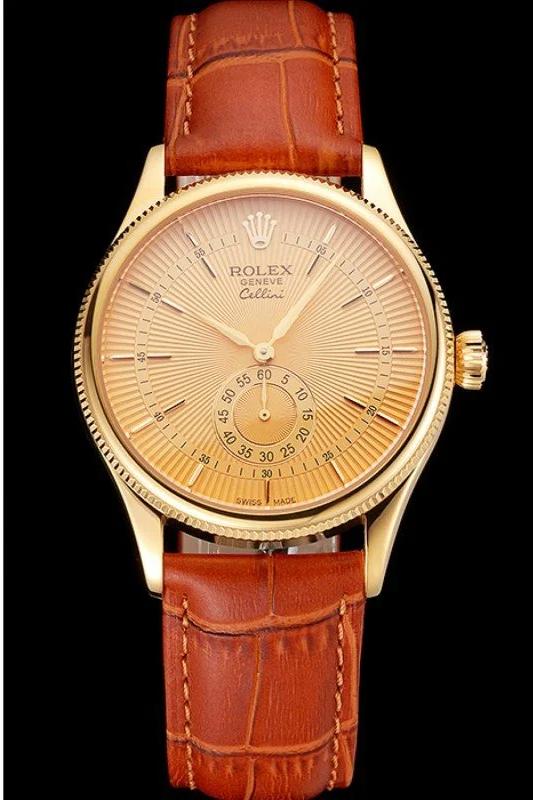
In a world increasingly dominated by digital ephemera and fast-paced technological obsolescence, there is a profound and growing counter-movement towards the tangible, the enduring, and the historically significant. Nowhere is this shift more evident than in the luxury watch market of 2026, where vintage Rolex timepieces have surged from niche collector interests to the forefront of global investment strategies. No longer just accessories for the wealthy, vintage Rolexes have become symbols of “slow luxury,” financial prudence, and a deep appreciation for mechanical artistry. As we navigate the complexities of the mid-2020s economy, the allure of a worn bezel, a faded dial, and a story etched in steel has never been stronger.
The year 2026 marks a pivotal moment in horological history. While modern manufacturing continues to push the boundaries of precision and material science, the collective soul of the watch community has turned backward to move forward. The demand for vintage Rolex watches is not merely a fleeting trend; it is a structural shift in how value is perceived, held, and transmitted across generations. This comprehensive analysis explores the multifaceted reasons behind this renaissance, diving deep into investment security, the psychology of patina, the sustainability of heritage, and the specific models defining the market today.
The Shift to “Slow Luxury” and Tangible Assets
The economic landscape of 2026 has fundamentally altered consumer behavior. In an era where digital assets can vanish with a server crash and fiat currencies face persistent inflationary pressures, tangible assets have regained their throne. Vintage Rolex watches represent the epitome of a “hard asset.” Unlike a new model that depreciates the moment it leaves the authorized dealer, or a stock subject to market volatility, a well-preserved vintage Rolex has demonstrated a remarkable ability to not only retain value but appreciate significantly over decades.
This phenomenon is driven by the concept of “Slow Luxury.” In contrast to the disposable nature of fast fashion and the planned obsolescence of modern electronics, slow luxury emphasizes quality, longevity, and timelessness. A vintage Rolex, often crafted 40, 50, or even 60 years ago, stands as a testament to an era when products were built to last a lifetime—and beyond. Collectors in 2026 are increasingly rejecting the homogenized perfection of modern mass production in favor of pieces that possess soul, character, and a proven track record of survival. Owning a vintage piece is a statement against the throwaway culture; it is an endorsement of durability and a commitment to preserving history.
Furthermore, the status symbol associated with luxury has evolved. In previous decades, flashing the newest, shiniest reference was the ultimate sign of wealth. Today, true sophistication is signaled by knowledge and curation. Wearing a pristine, current-production Submariner says you have money; wearing a weathered Submariner 5513 with a “meters first” dial says you have taste, history, and an understanding of the deeper narrative of watchmaking. This shift has democratized prestige to some extent, allowing those with knowledge rather than just liquid cash to enter the upper echelons of the collecting world.
The Psychology of Patina: Why Imperfection is Perfection
Perhaps the most fascinating driver of the 2026 vintage boom is the changing aesthetic preference regarding condition. For years, the holy grail of collecting was “mint” or “new old stock” condition. While untouched examples still command high premiums, there is a surging appreciation for “honest” wear and, most importantly, patina. Patina—the natural aging of materials like lume, dials, and bezels—is no longer seen as damage; it is viewed as a feature, a unique fingerprint of time itself.
Consider the coveted “tropical” dials, where the original black pigment has slowly browned over decades due to humidity and UV exposure. In 2026, these dials are among the most sought-after attributes in the market, often fetching prices far exceeding their factory-fresh counterparts. Similarly, the fading of aluminum bezel inserts on GMT-Masters and Submariners creates a spectrum of colors—from deep burgundy to faded pink—that cannot be replicated in a factory. This natural variation ensures that no two vintage Rolexes are exactly alike. In a world of algorithmic uniformity, this uniqueness is intoxicating.
The tritium lume used in vintage models adds another layer of charm. As the radioactive material decays, it changes color from white to cream, then to a rich honey or brown. This “aged lume” glow is warm and inviting, contrasting sharply with the stark, blue-white super-luminova of modern watches. Collectors describe this as the “soul” of the watch. It tells a story of adventures had, nights spent, and years passed. When a buyer in 2026 purchases a vintage Rolex, they are not just buying a timekeeping instrument; they are acquiring a narrative. Every scratch on the case, every fade on the dial, is a chapter in a story that the new owner gets to continue. This emotional connection creates a loyalty and passion that speculators and flipper-driven markets simply cannot replicate.
Investment Security in a Volatile World
Financial pragmatism is a massive component of the vintage Rolex surge. As we progress through 2026, the global financial environment remains uncertain. Traditional investment vehicles have shown signs of instability, prompting high-net-worth individuals and savvy middle-class investors alike to diversify into alternative assets. Vintage watches, particularly Rolex, have emerged as a robust class within this sector.
Data from the last decade confirms that iconic models like the Rolex Daytona “Paul Newman,” the Explorer 1016, and the Submariner 5513 have outperformed many traditional stock indices. But beyond the raw numbers, there is a sense of security in physical ownership. A vintage Rolex is a portable store of value that requires no maintenance fees, pays no dividends (but also suffers no dividend cuts), and can be enjoyed daily while it appreciates. Unlike real estate, which is immobile and illiquid, or gold, which is purely a commodity with no utility, a vintage Rolex combines utility, beauty, and financial growth.
The market maturity of 2026 has also brought greater transparency. With the advent of blockchain verification for provenance and more rigorous authentication standards from reputable dealers, the risk of purchasing counterfeit or “frankenwatch” pieces has diminished. This increased confidence has opened the floodgates for institutional interest and broader retail participation. Investors are no longer guessing; they are analyzing historical sales data, rarity indexes, and condition reports with the same rigor applied to real estate or equities. The consensus is clear: genuine, original, and well-documented vintage Rolexes are a safe harbor in stormy economic seas.
The Scarcity Factor and the End of Mass Production Nostalgia
Scarcity is the engine of value, and in the world of vintage Rolex, supply is strictly finite. Rolex produced fewer watches in the 1960s and 70s than they do today, and of those, only a fraction have survived in collectible condition. Every day that passes, the pool of unpolished, original vintage Rolexes shrinks. Some are lost to accidents, others are melted down for their gold content, and many are irreversibly altered by poor servicing.
This diminishing supply coincides with a growing demand from a new generation of collectors. Millennials and Gen Z, now the dominant forces in the luxury market, have a distinct appreciation for vintage. They value authenticity and sustainability over brand-new status symbols. For them, wearing a watch that predates their birth is a way to connect with a past they admire—a time of analog simplicity and mechanical integrity. This demographic shift has created a competitive bidding environment for key references, driving prices upward and solidifying the trend.
Moreover, the specific scarcity of “originality” cannot be overstated. In 2026, a Rolex with a replaced dial, polished case, or non-original hands is significantly less desirable than one that retains all its factory components, even if it shows signs of wear. The market has educated itself to recognize that originality is the true metric of rarity. A “survivor” example with a scratched case but an untouched dial is often worth more than a restored piece that looks brand new. This nuance highlights the sophistication of the current market and underscores why finding a truly original vintage Rolex is becoming increasingly difficult and rewarding.
Sustainability: The Eco-Conscious Choice for Luxury
The environmental consciousness of the 2026 consumer plays a crucial role in the vintage boom. The concept of the “circular economy” has moved from a buzzword to a central tenet of luxury consumption. Buying a vintage watch is inherently sustainable; it extends the lifecycle of an existing product, reducing the demand for new resource extraction, manufacturing energy, and waste generation.
Modern luxury brands are under increasing pressure to address their carbon footprints, and conscious consumers are voting with their wallets. By choosing a vintage Rolex, a buyer makes a statement about their values. They are saying that they prefer to cherish and maintain something that has already stood the test of time rather than contribute to the cycle of new production. A vintage Rolex is the ultimate “upcycled” luxury item. It represents a zero-carbon footprint acquisition (relative to new manufacturing) that offers unparalleled quality. This alignment with eco-friendly values has made vintage collecting not just a hobby, but a moral choice for many, further fueling its popularity among younger, ethically minded demographics.
Cultural Resonance and the Iconic Status
Pop culture continues to be a powerful amplifier for vintage Rolex trends. The legacy of figures like Paul Newman, Steve McQueen, and Martin Luther King Jr., all associated with specific Rolex models, remains potent. In 2026, these associations are stronger than ever, fueled by documentaries, social media deep dives, and a renewed interest in mid-century aesthetics. When a modern celebrity is spotted wearing a vintage Daytona or a GMT-Master “Pepsi,” it sends shockwaves through the market, validating the style for a new audience.
However, the cultural resonance goes deeper than celebrity endorsement. Vintage Rolexes are artifacts of human achievement. The Submariner is linked to the exploration of the ocean’s depths; the GMT-Master to the golden age of jet travel and Pan Am pilots; the Explorer to Himalayan expeditions. Wearing these watches connects the owner to these historic moments. In a digital age where experiences are often virtual, the physical connection to real-world exploration and adventure provided by a vintage tool watch is deeply satisfying. They are reminders of a time when humanity pushed boundaries with mechanical tools, relying on gear that had to work perfectly in life-or-death situations. This inherent reliability and heroic history add a layer of intangible value that modern marketing struggles to manufacture.
Hot Models and Market Trends in 2026
As the market matures, specific models have risen to the top of the wish lists for 2026. While the “big three” (Submariner, Daytona, GMT-Master) remain kings, savvy collectors are identifying undervalued gems and specific variations that offer the best blend of enjoyment and investment potential.
- The “Under-the-Radar” Tool Watches: Models like the Rolex Air-King (specifically reference 126900 and its vintage predecessors) and the Explorer II 16570 are seeing renewed interest. These watches offer the rugged DNA of Rolex without the exorbitant price tags of their dive-watch cousins. Their clean, legible dials and versatile sizing make them perfect daily wearers that are quietly appreciating in value.
- Vintage “Stella” Dials: The enamel “Stella” dials from the early 1970s, known for their vibrant lacquer finishes in red, green, and blue, are experiencing a massive resurgence. These dials, which inspired the colorful Oyster Perpetuals of the 2020s, are now recognized as masterpieces of decorative art. Their rarity and visual impact make them standout pieces in any collection.
- The “Wimbledon” Dial Datejust: The Datejust 41 with the “Wimbledon” dial (slate grey with green-outlined Roman numerals) has become a modern classic that bridges the gap between vintage and new. However, collectors are also looking back at vintage Datejust references like the 1601 with original silver or champagne dials, appreciating their understated elegance and perfect 36mm proportions.
- Gold Models as Inflation Hedges: In 2026, vintage gold Rolexes (Day-Date “Presidents” and gold Submariners) are exceptionally popular. Serving as both a bold fashion statement and a direct hedge against inflation, these models offer a tactile warmth and prestige that steel cannot match. Interestingly, many vintage gold models remain more accessible than their steel counterparts, offering a unique value proposition for investors.
Navigating the Market: A Guide for the Aspiring Collector
For those inspired to join the vintage Rolex movement, the path forward requires diligence and education. The market is rewarding but fraught with pitfalls for the unprepared. The golden rule of 2026 is originality. Before making a purchase, verify the authenticity of every component: the dial, hands, bezel, crystal, and movement. Service records, original boxes, and papers (the “full set”) add significant value and peace of mind, though “naked” watches with verified original parts are still highly desirable.
Condition matters, but context matters more. An unpolished case with sharp lugs and honest scratches is generally preferred over a shiny, over-polished case that has lost its structural definition. Look for watches that have aged gracefully, retaining their character without suffering from neglect. Working with reputable dealers who specialize in vintage pieces is crucial. Established names in the industry provide guarantees of authenticity and transparent histories, protecting buyers from the prevalence of sophisticated counterfeits.
Start with what resonates personally. Whether it’s the rugged utility of a Submariner, the dressy elegance of a Day-Date, or the quirky charm of a Milgauss, the best watch to buy is one you will love to wear. The financial return is a bonus, but the daily joy of wearing a piece of history is the true reward. Research specific references, join community forums, and handle as many watches as possible to develop your eye. The vintage market is a journey, not a destination, and the education gained along the way is part of the experience.
Conclusion: A Legacy on Your Wrist
The rising popularity of vintage Rolex watches in 2026 is more than a market correction or a speculative bubble; it is a cultural recalibration. It represents a collective desire for stability in an unstable world, a yearning for authenticity in an age of replication, and a commitment to sustainability in a time of environmental crisis. These watches are bridges connecting us to a past of craftsmanship and adventure, offering a tangible link to history that grows more valuable with every passing year.
As we look to the future, the trajectory for vintage Rolex seems clear. With supply dwindling and demand surging from a globally connected, knowledgeable, and passionate community, these timepieces are cementing their status as the ultimate alternative asset. They are not just watches; they are heirlooms in the making, stories waiting to be continued, and investments that pay dividends in style, satisfaction, and security. Whether you are a seasoned collector or a curious newcomer, 2026 is the year to embrace the vintage revival. There has never been a better time to discover the enduring magic of a vintage Rolex and let its legacy tick on your wrist.
Ready to start your journey into the world of vintage Rolex? Explore our curated selection of authenticated timepieces or contact our experts for personalized advice on building a collection that stands the test of time.
Leave a Reply